Best Plants for Vertical Gardening by Tier Position
The best plants for vertical gardening are not one list; they are three different lists, depending on where a plant will actually sit in the structure. A top tier or an exposed hanging pocket gets the most direct sun and dries out fastest, so it favors drought-tolerant plants like succulents and woody Mediterranean herbs.
A bottom- or floor-level tier provides more moisture and shade, so it suits leafy greens and larger vegetables. A plant with a large, mature root ball belongs on a floor-supported tier, not an unsupported hanging pocket, for reasons of weight alone.
Why The Best Plants for Vertical Gardening Depend on Where They Sit, Not Just What They Are
Most plant lists for vertical gardening are organized by category: vegetables, herbs, flowers, foliage. That is useful for browsing, but it does not answer the question that actually matters once you own the structure: will this specific plant survive in the exact spot you are about to put it?
Two physical facts decide that answer, and neither one is about the plant itself.
First, sun exposure usually changes by tier. A top-tier or a fully exposed hanging pocket typically gets more direct light and more wind than a lower or more sheltered spot on the same structure.
Second, water moves downward. In almost any vertical system, gravity pulls moisture toward the bottom, so a top tier tends to dry out first and a bottom tier tends to stay wettest by default.
That is a mechanical fact about how vertical systems drain, not a trait of any particular plant, and it is worth checking your own structure’s basic load capacity before loading it with soil and plants in the first place (that step is covered in how to build a vertical garden for a small space). The full watering pattern that follows from this, and how to correct it when one tier runs dry while another stays soggy, is covered in watering a vertical garden without damaging the wall or drowning the bottom tier.
With those two realities in mind, here is how to match plants to where they will sit.
Top-Tier Plants: Full Sun, Fastest Drying
The top of a vertical structure, or a hanging pocket with nothing shading it from above, gets the most direct sun and the least residual moisture. The safest picks here are plants that genuinely prefer to dry out between waterings, not just plants that like sun.
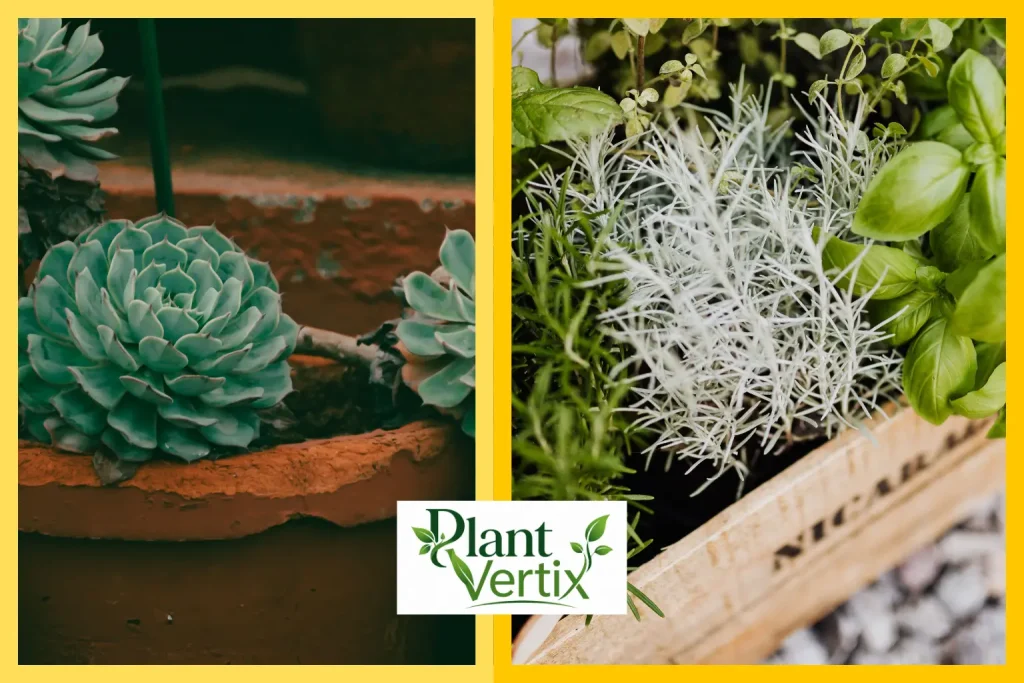
- Succulents such as sedum and hens-and-chicks (Sempervivum) are shallow-rooted and store water in their leaves, which makes them well suited to a fast-drying spot. Their biggest risk is not dryness; it is the opposite: sitting in waterlogged soil rots succulent roots quickly, so a well-draining mix and a container or pocket with a working drainage path matter more than watering frequency.
- Woody Mediterranean herbs like thyme, oregano, and rosemary are adapted to lean, dry soil and full sun, and they tend to suffer more from overwatering than from an occasional dry spell.
One common mismatch worth naming: leafy greens like lettuce and spinach are often recommended for “full sun” spots, but they also want consistently moist soil to avoid bolting or wilting. A fast-drying top tier is not automatically the right home for them just because they tolerate sun. Unless you have a reliable, frequent watering routine (or a drip line) reaching that top spot, leafy greens are usually a safer fit one tier down.
Mid-Tier Plants: Balanced Light and Moisture
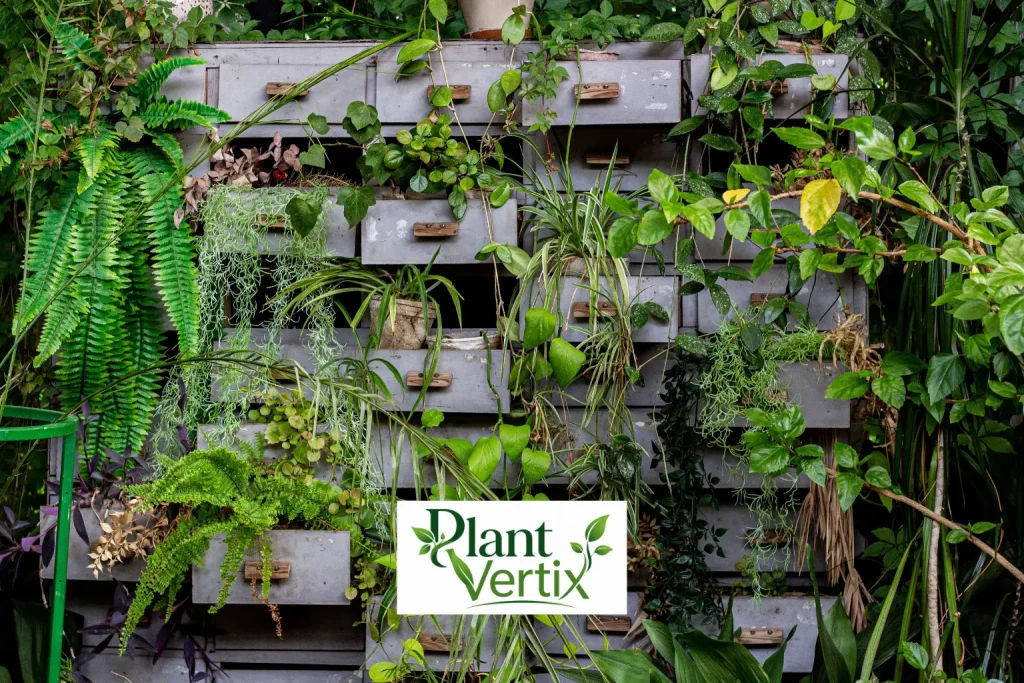
A middle tier typically gets meaningful light without the full drying force of the topmost spot, and it holds a bit more residual moisture. This is the most forgiving zone in most structures, and it suits plants that want steady, moderate conditions rather than an extreme in either direction.
- Culinary herbs with higher moisture needs than the top-tier group, such as basil, parsley, cilantro, and chives, generally do better here than in the driest spot.
- Strawberries are shallow-rooted and prefer consistent moisture with part to full sun, making a mid-tier a common fit; keep in mind they send out runners, so give them room to spread.
- Trailing ornamentals like nasturtium tolerate average to poor soil, take full sun to part shade, and cascade attractively out of a mid-level pocket. Nasturtium flowers and leaves are also edible, which is a bonus many gardeners like.
Bottom-Tier and Floor-Supported Plants: More Shade, More Moisture, Can Carry Weight
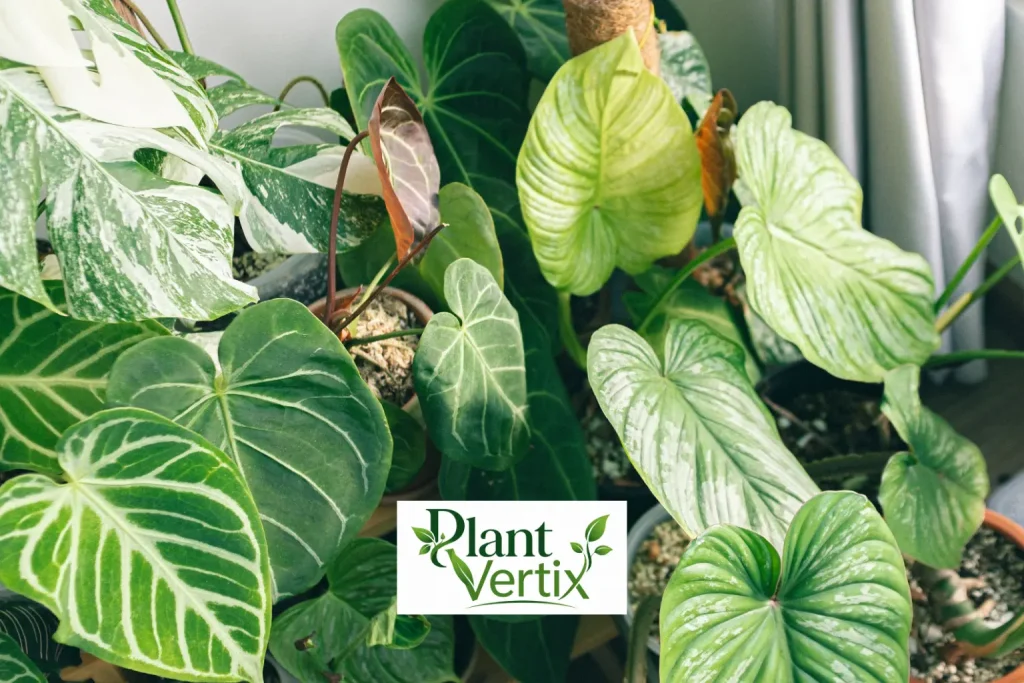
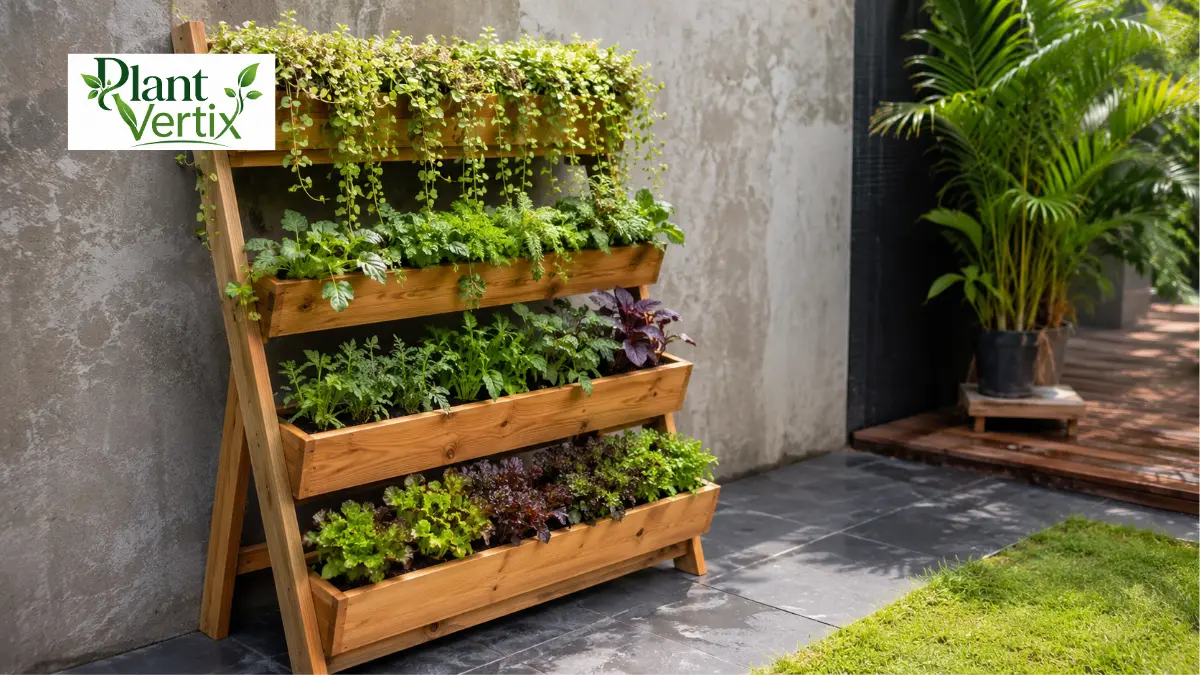
The lowest tier of most vertical systems benefits from two things at once: it usually gets more shade from the plants above it, and it holds more moisture because that is where water ends up after passing through the tiers above. If that bottom tier is also floor-supported (resting on the ground, a shelf, or a stand, rather than hanging from a wall bracket alone), it can also carry more weight than an unsupported pocket.
- Leafy greens such as lettuce, spinach, and kale often do better here than a seed packet’s “full sun” label suggests, because the partial shade and steadier moisture at floor level suit their cool-season preferences, and they are less likely to bolt than they would in blazing, all-day top-tier sun.
- Shade-loving foliage like ferns thrives in the cooler, damper conditions typical of a bottom tier, especially indoors or on a covered patio.
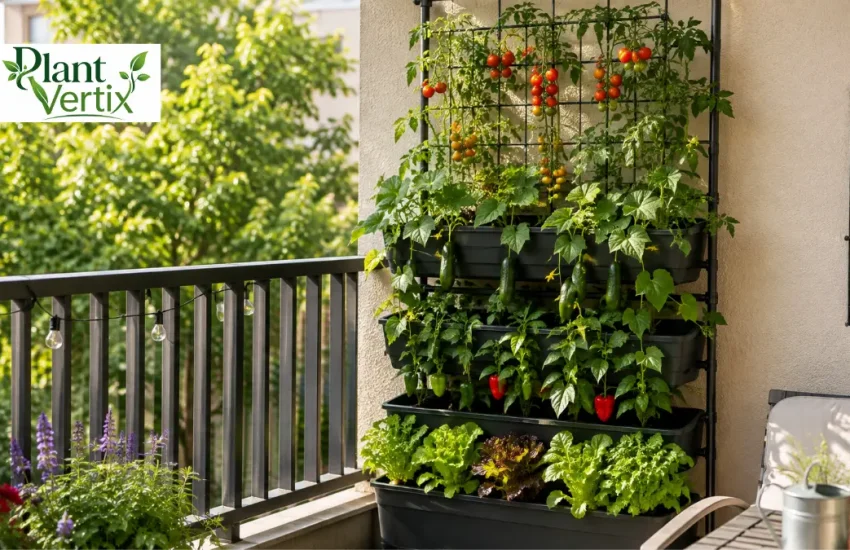
- Heavier vegetables, including bushier or determinate tomato varieties and larger pepper plants, are a better fit for a floor-supported bottom tier than for a hanging pocket, simply because that tier can bear the weight of a full, mature root ball. For a fuller rundown of which vegetables trellis or stack well in a small-space setup, see vertical vegetable gardening in small spaces.
Vining and Climbing Plants for Trellis-Style Systems
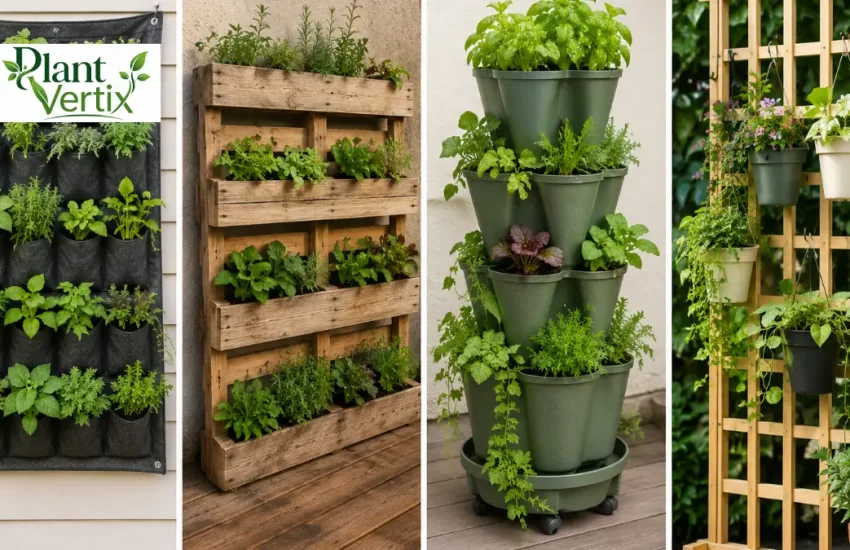
Trellis and climbing-frame systems work on a different mechanism than tiered pockets. The root system usually stays in one container or bed at the base, while the plant climbs the structure using tendrils, twining stems, or ties as it grows. That means the tier logic above still matters for where the container sits, but the plant’s spread happens vertically along the frame rather than in a separate pocket at height.
- Pole beans, peas, and cucumbers climb readily on a trellis and are common choices for small-space vertical vegetable growing.
- Flowering vines such as morning glory and black-eyed Susan vine climb in a similar way and suit an ornamental trellis.
- English ivy is a vigorous, shade-tolerant evergreen climber that will cover a trellis or frame quickly. Because it spreads aggressively and is considered invasive in a number of regions when it escapes a container, it is worth checking local guidance before planting it outdoors and keeping it contained rather than letting it root into open ground.
Plants to Place With Caution or Avoid in Hanging Pockets
Not every plant that “fits the light” belongs in every spot. Weight and root depth rule some plants out of hanging pockets no matter how well their light or moisture needs match.
- Large, mature root balls are the main disqualifier. Full-size, sprawling (indeterminate) tomato varieties, squash, and melons develop heavy, deep root systems and heavy fruit loads that are simply too much for an unsupported fabric or plastic hanging pocket. These belong in their own floor-level container at the base of a trellis, or on a floor-supported tier, not suspended from a wall bracket. For a closer look at which structure types are actually rated to carry that kind of floor-level weight versus a lighter wall-mounted pocket, see vertical garden systems compared.
- Compact varieties can work, but only with the right hardware. Smaller, determinate cherry tomato varieties are sometimes grown successfully in a hanging basket, but only with a sturdy, properly rated hook and basket, because even a compact tomato plant gets noticeably heavy once it is fruiting.
- Deep taproot vegetables, like carrots and other root crops, need soil depth more than they need a particular tier position, and generally do not suit a shallow tiered pocket regardless of light or moisture.
Quick-Reference Table By Tier and Light Exposure
| Tier position | Typical light and moisture | Good plant fits | Notes |
|---|---|---|---|
| Top tier / exposed hanging pocket | Most direct sun, dries out fastest | Succulents (sedum, hens-and-chicks), thyme, oregano, rosemary | Avoid leafy greens here unless watering is frequent and consistent |
| Mid-tier | Balanced light, moderate moisture | Basil, parsley, cilantro, strawberries, nasturtium | Most forgiving zone for beginners |
| Bottom tier / floor-supported | More shade, more residual moisture, can carry weight | Lettuce, spinach, kale, ferns, bushier tomato or pepper varieties | Best spot for a heavier, mature container |
| Trellis or climbing frame | Root stays at base, growth climbs the structure | Pole beans, peas, cucumbers, morning glory | Contain vigorous climbers like English ivy so they do not spread beyond the frame |
Frequently Asked Questions
Can succulents go in fabric pocket planters?
Yes, with attention to drainage. Fabric pockets tend to dry from the sides and drain relatively quickly compared to sealed plastic containers, which generally suits succulents’ preference for soil that dries out between waterings. Use a well-draining succulent mix and make sure water can actually exit the pocket rather than pooling at the bottom, since standing water is the main way succulents fail in any container.
What vegetables are too heavy for a hanging vertical system?
Sprawling, indeterminate tomato varieties, squash, and melons develop large root balls and heavy fruit loads that generally exceed what an unsupported hanging pocket can carry safely. These do better in a floor-level container at the base of a trellis or on a floor-supported tier. Compact, determinate tomato varieties can sometimes work in a hanging basket, but only with sturdy, properly rated mounting hardware.
Do vertical garden plants need different care than the same plant grown in the ground?
The plant’s underlying needs (light, water, soil type) do not change. What changes is how those needs are met: a container has less soil volume to buffer against drying out, and a tier’s position in the structure affects how much sun and residual moisture it actually gets compared to an in-ground bed.
Which plants tolerate being on the driest, sunniest tier?
Succulents like sedum and hens-and-chicks, along with woody Mediterranean herbs such as thyme, oregano, and rosemary, are the most reliable choices for a top-tier or fully exposed hanging pocket, because they are adapted to drying out between waterings rather than needing steady moisture.
Do trailing vines need to be trained, or will they find their own way down?
Naturally trailing plants like nasturtium will cascade on their own, but true climbers such as pole beans, peas, or English ivy generally need to be guided onto the trellis or frame early, with occasional light tying or redirecting as they grow, or they will wander sideways instead of climbing.