
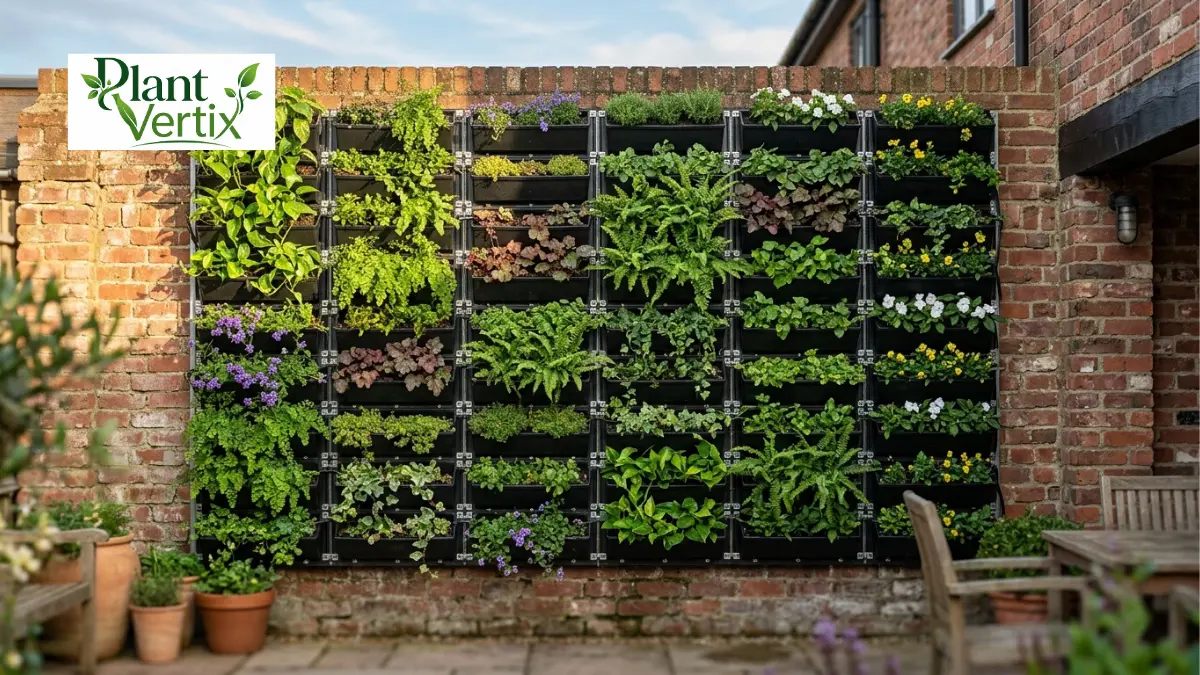
Rigid modular panels cost more than fabric and buy you two things: a spread load path and the ability to replace one failed unit. Here is how to judge them.
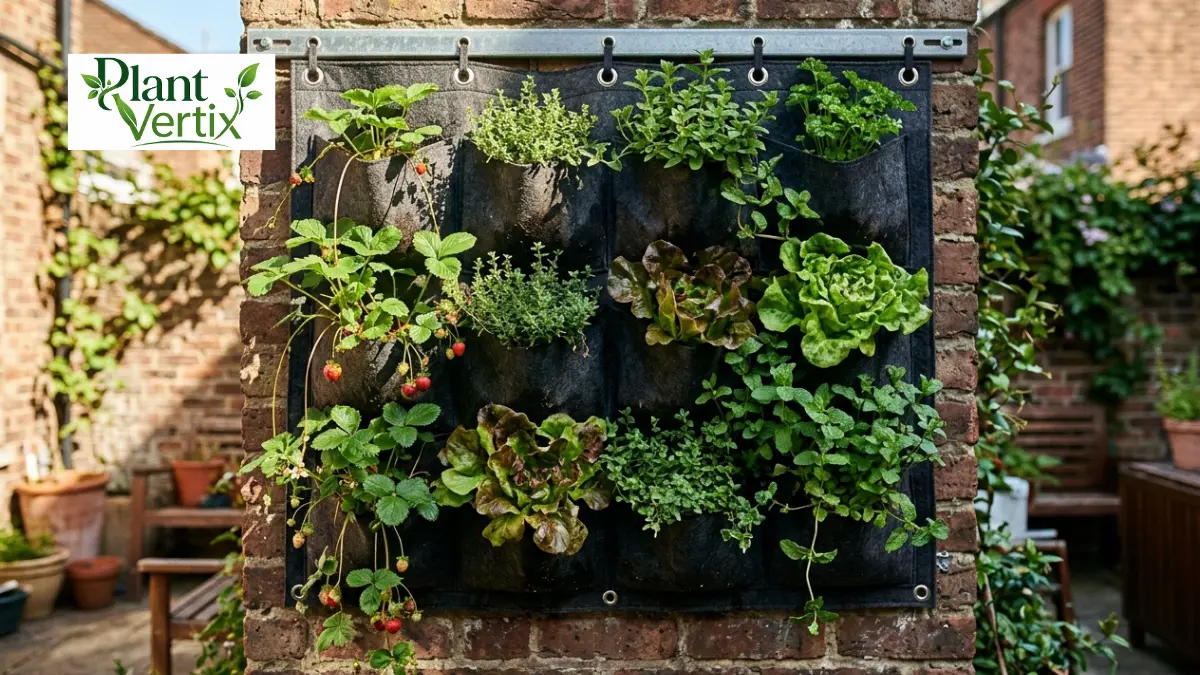
Fabric pockets are the cheapest way onto a wall and the fastest to dry out. Here is how the material actually behaves, and where it fails.
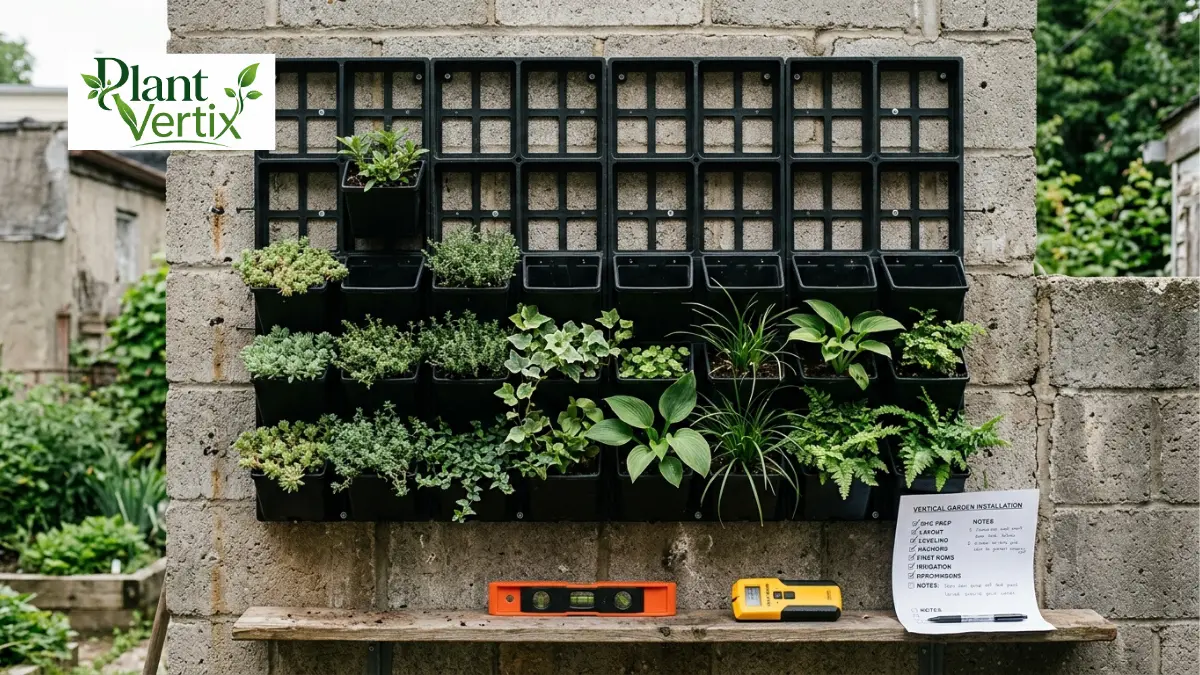
A pre-build checklist in the order that matters: wall and load first, sun second, plants last. Includes a weigh-it-yourself test no other guide gives you.
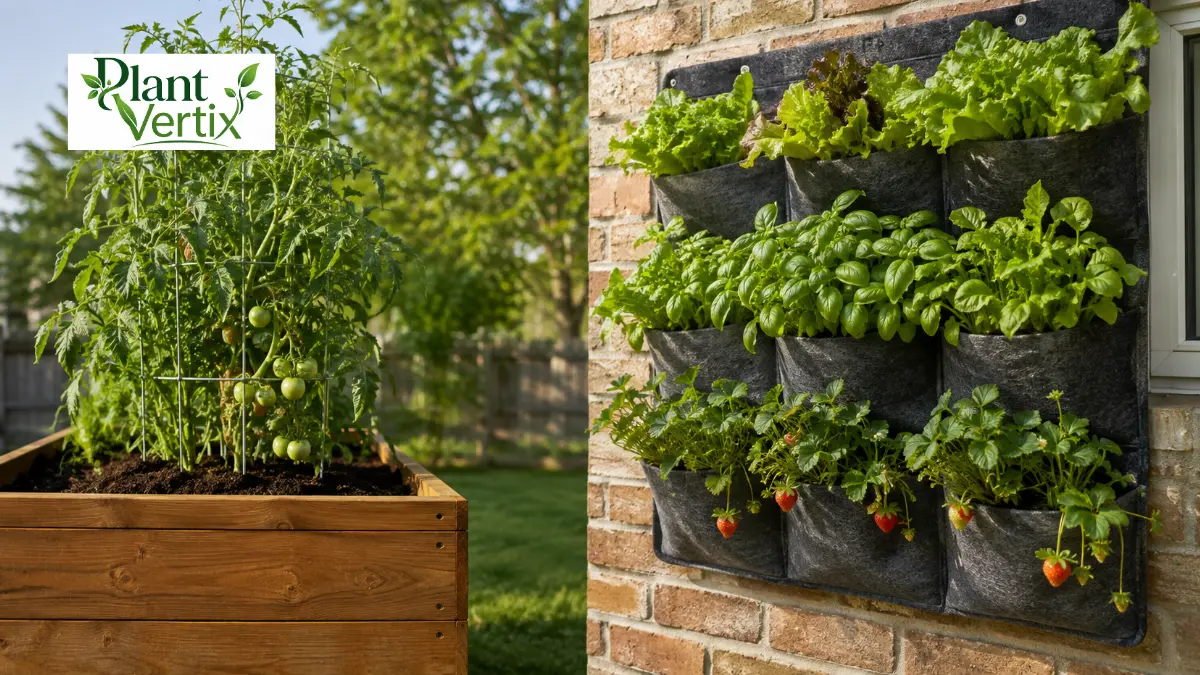
The choice is not about style. It comes down to soil volume per plant, root depth, and what your surface can carry. Here is how to pick honestly.
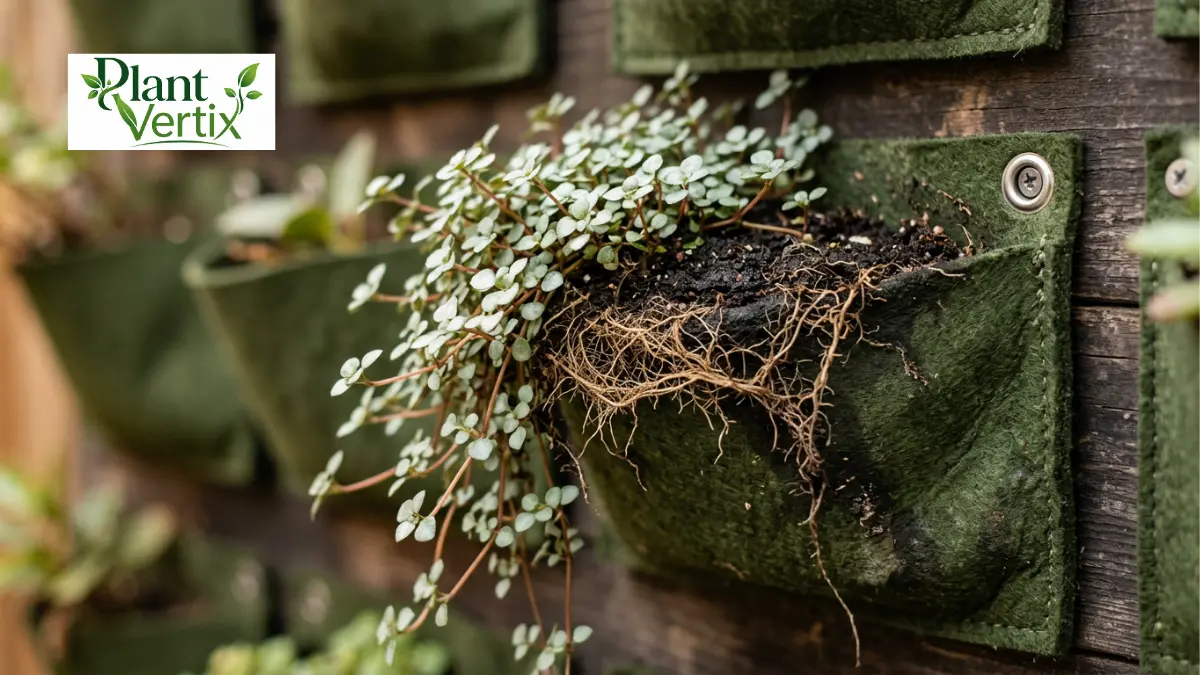
Most mistake lists rank by frequency. This one ranks by reversibility: what costs a weekend, what costs a season, and what you cannot undo.
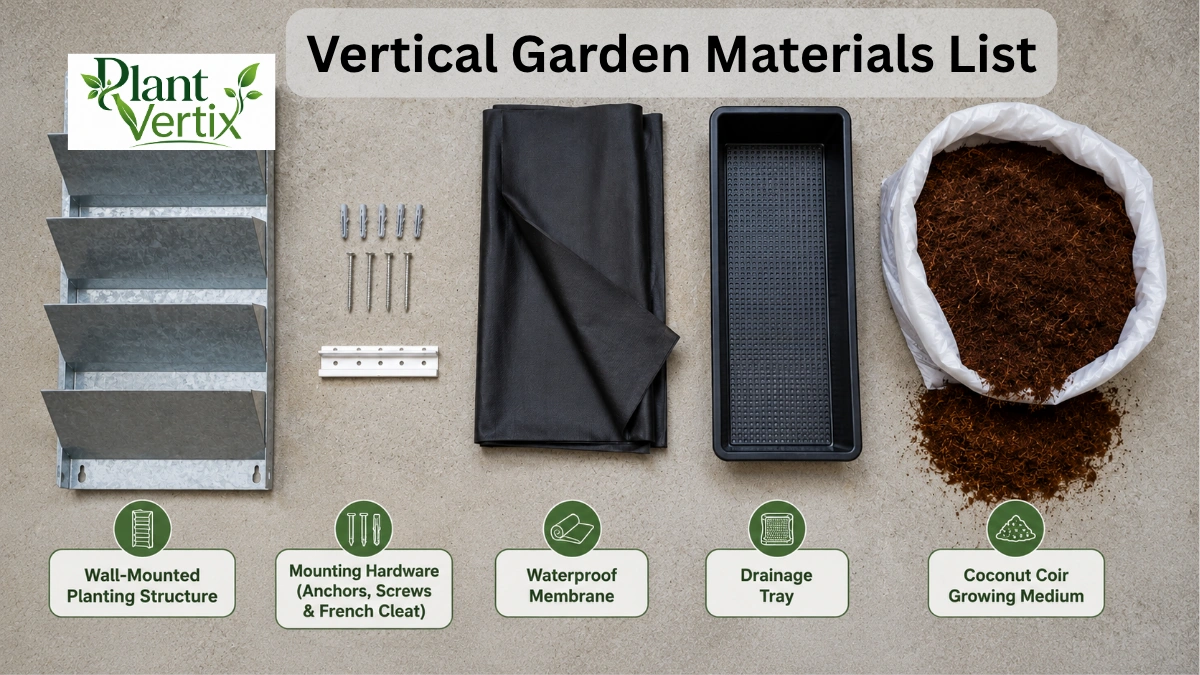
The honest vertical garden materials list is short, and most of it is not the planter. Start with the wall, then the hardware, then what protects it.
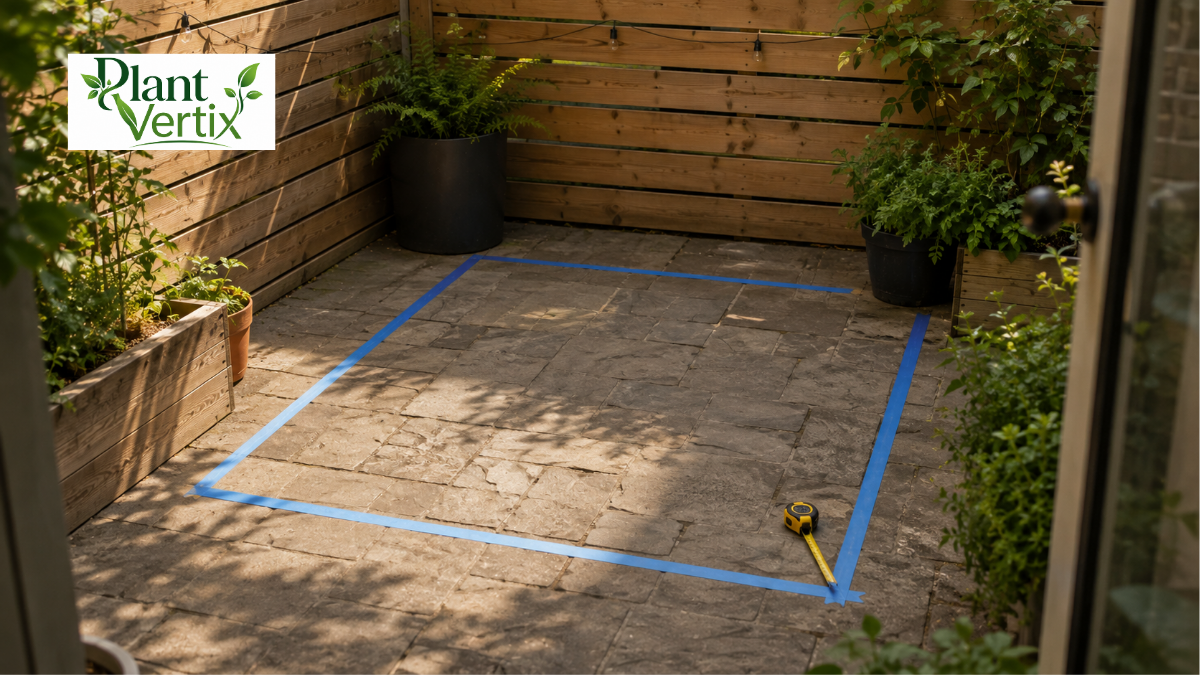
A tiny patio is a floor-load space with borrowed boundaries. Settle what the floor sits on, who owns the walls, and what space you can lose first.
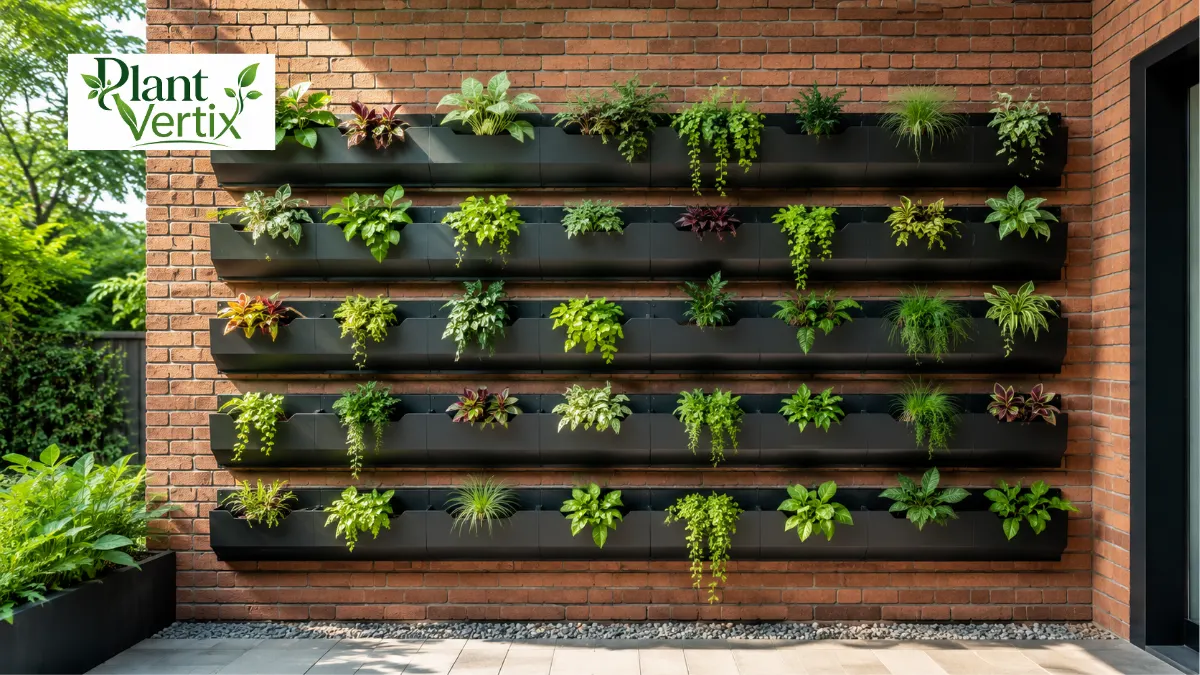
How many plants a vertical garden holds is a weight question first. Plan for mature spread, airflow and water load, not a full wall on day one.
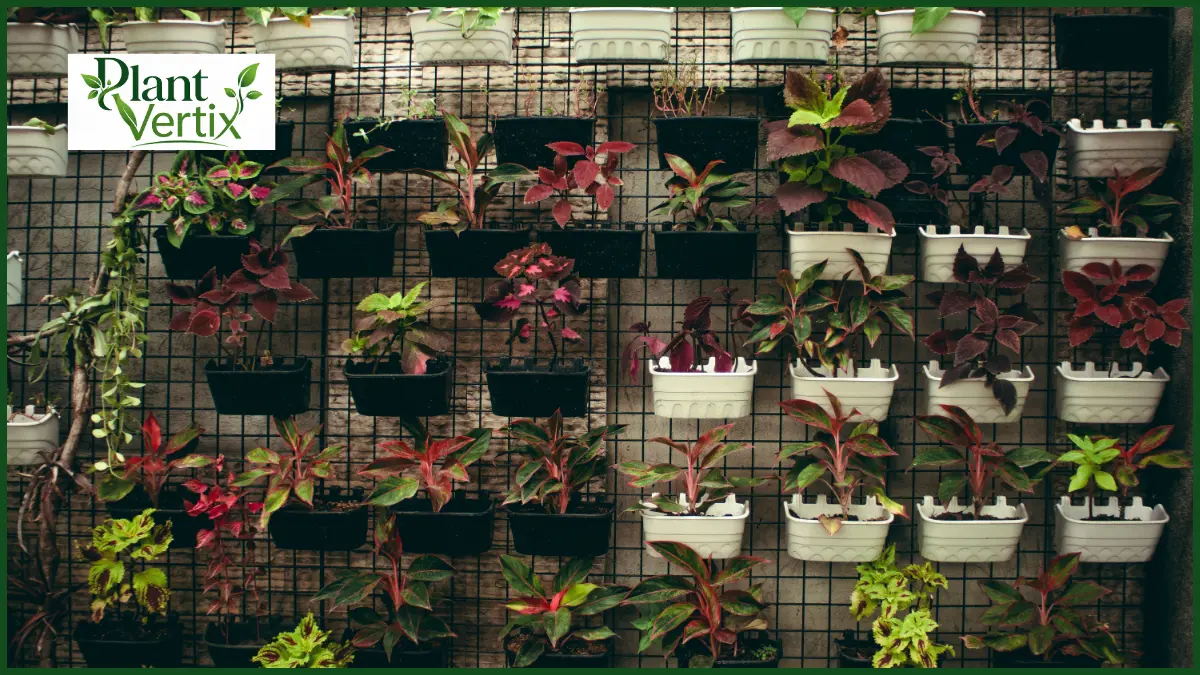
Indoors the water loop has to be closed. Decide the catch point, the wall barrier and the load path before you buy the structure, not afterward.
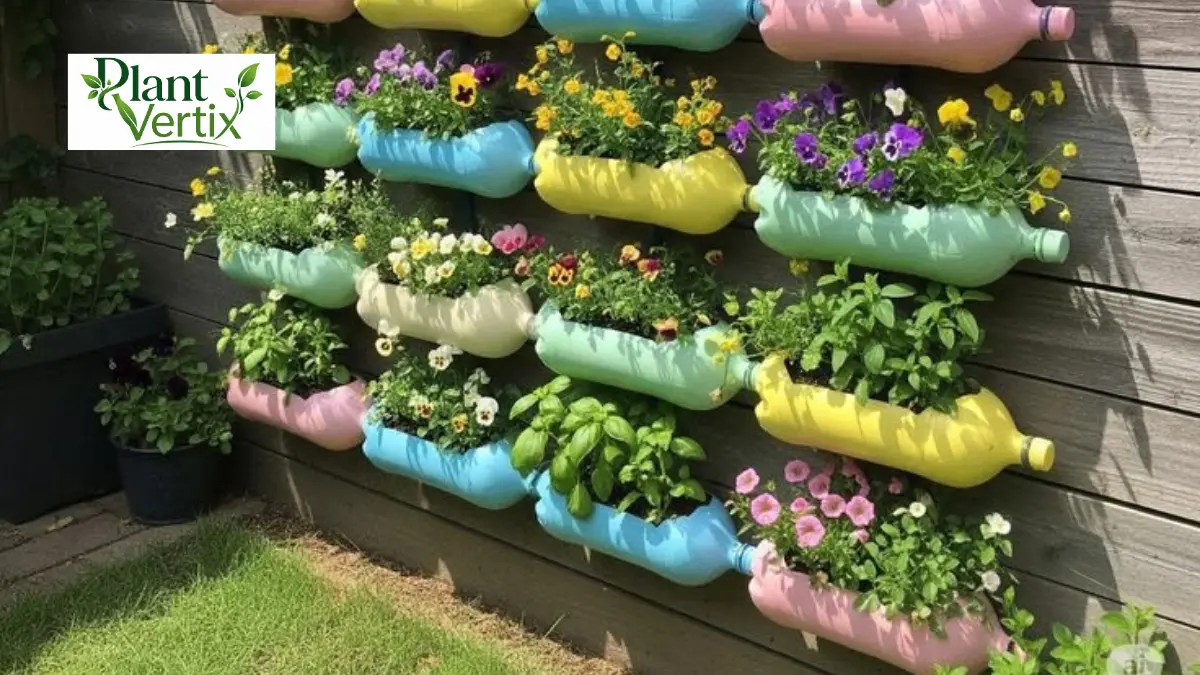
Fence panels are infill, not structure. Send the load to the posts, keep the planting open so it does not act as a sail, and check whose fence it is.
View More