

A tank does solve the uneven-watering problem, and it introduces three others. What wicking actually is, where it works, and the weight nobody mentions.

A tray that overflows is worse than no tray. How to size one from your own runoff, and the two floor failures that happen without a drop ever spilling.

Water in equals water out, or water held. There is no third option, and deciding which one before you build is what keeps it off your floor and your wall.

Crispy top, soggy bottom, and it is not your schedule. Four mechanisms stack in the same direction, and knowing which one you have decides the fix.

A planted panel is a sail. What that means for what you build, why nobody can give you a number, and the design choices that reduce the load itself.
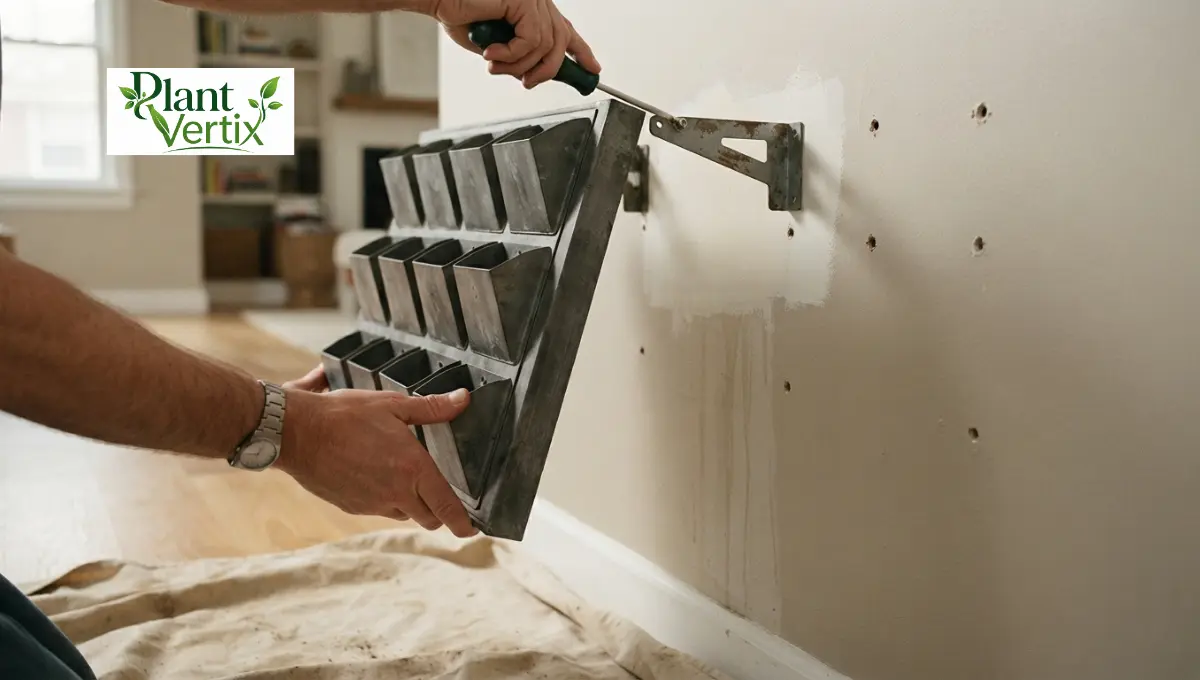
Six weeks to move out and a planted wall to undo. The order that leaves the least trace, and the two problems that are not fixed by filler.

Nobody can tell you what your lease says except your lease. What to look for in it, what to ask for in writing, and the four things that cost deposits.
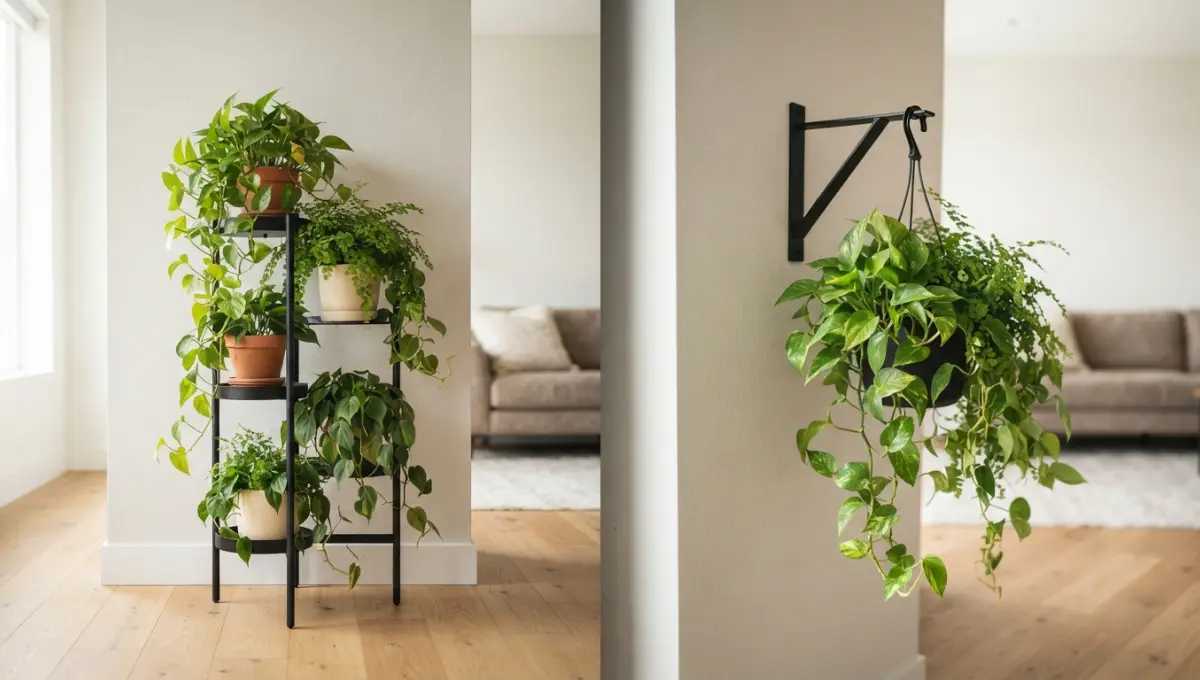
Six questions that settle it, in an order that means you can usually stop after two. Then you can ignore half the advice on this subject for good.
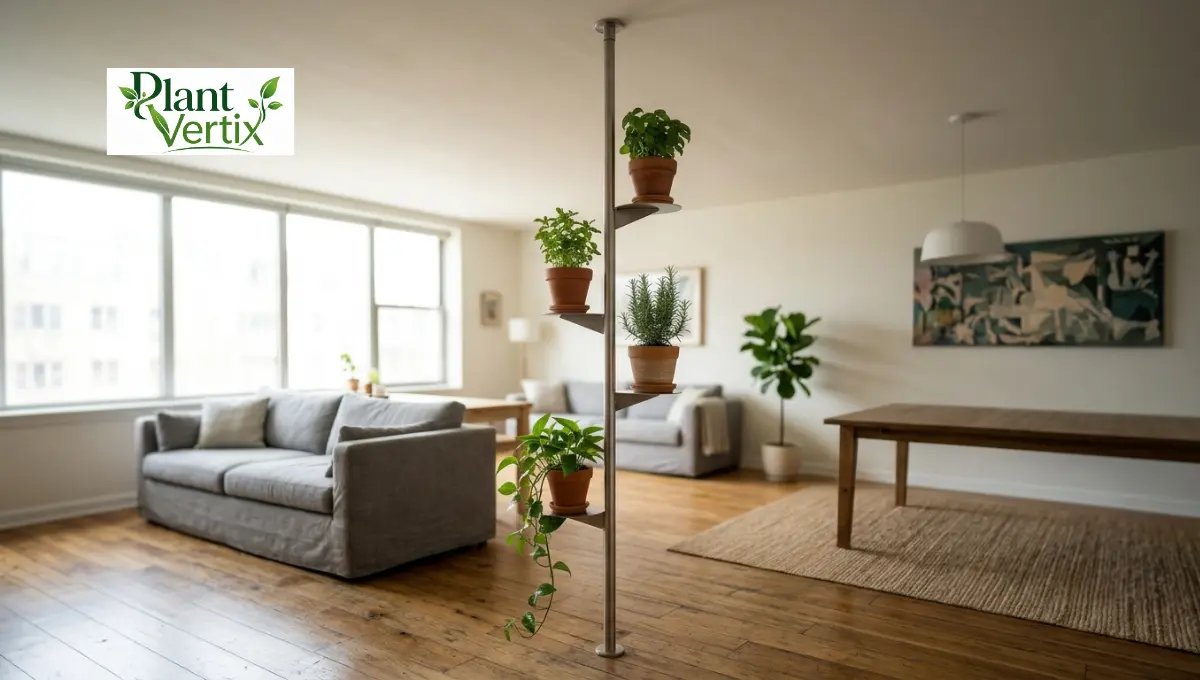
A tension frame borrows your ceiling and floor instead of your wall. That is a better load path and it introduces two new questions worth asking first.

The rating is real and it describes a dry, static load on a prepared surface. A planted system is none of those three things, and here is why each one matters.
View More