
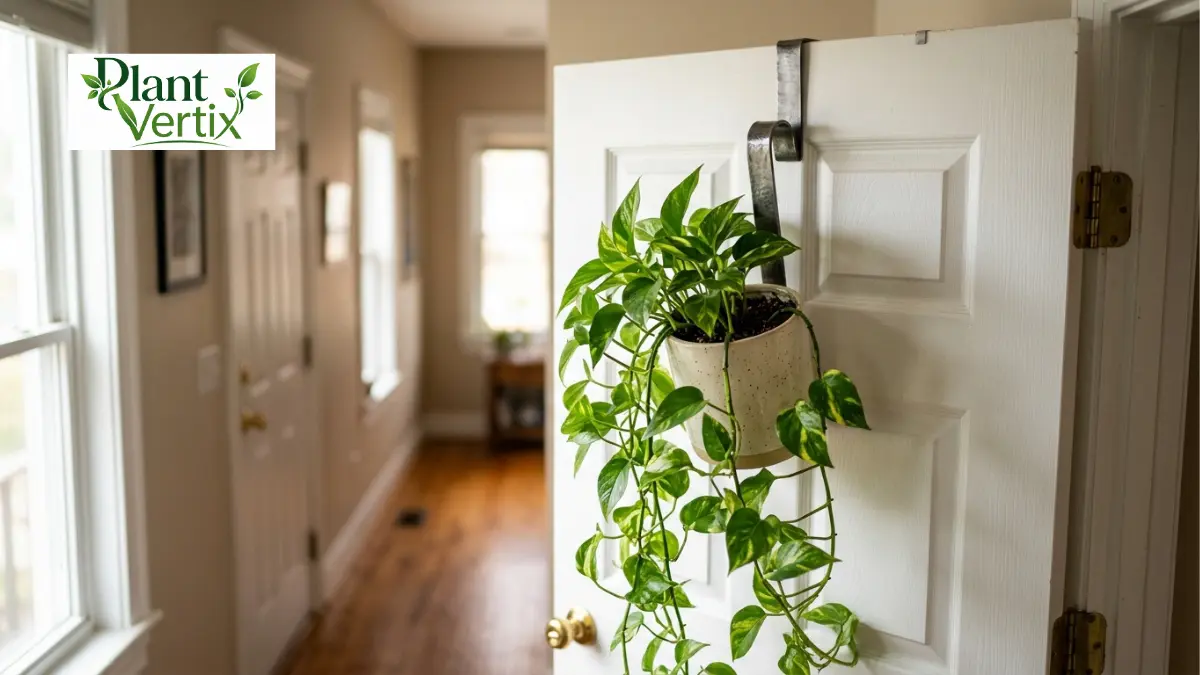
An over-the-door plant hanger and a tension rod both mount with zero holes. Here is how each one actually holds weight, and where each fits.
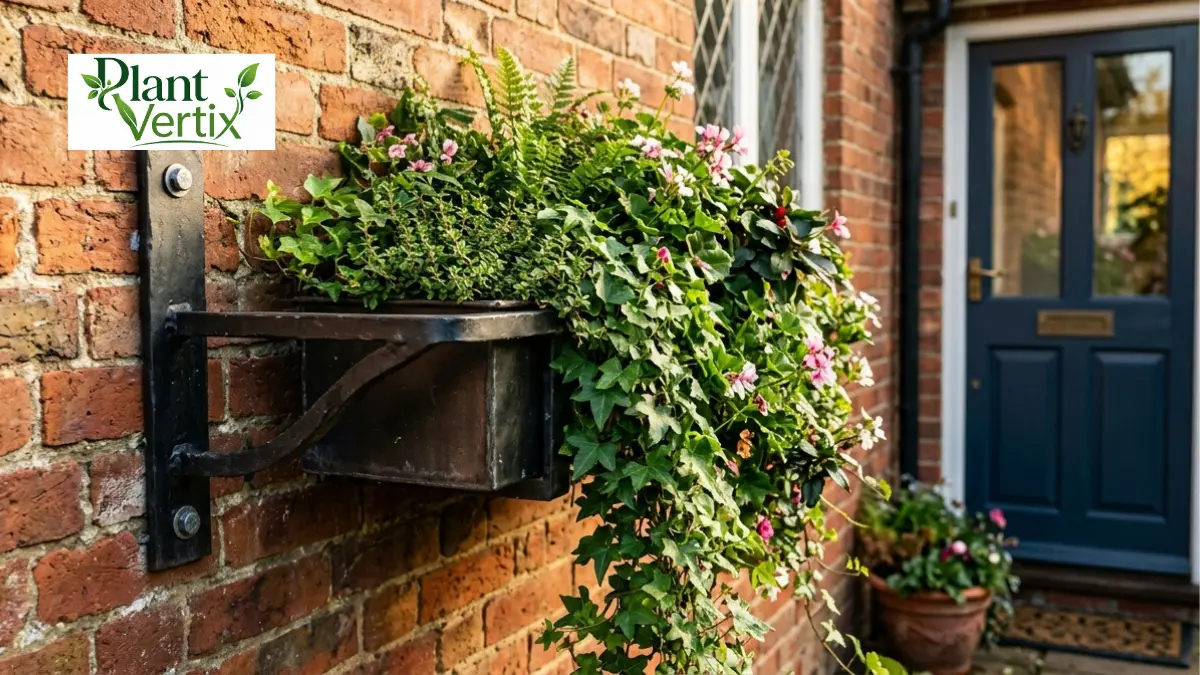
Mounting a planter on drywall, plaster, brick, concrete or siding: what decides whether each wall type holds, and why anchor ratings mislead.
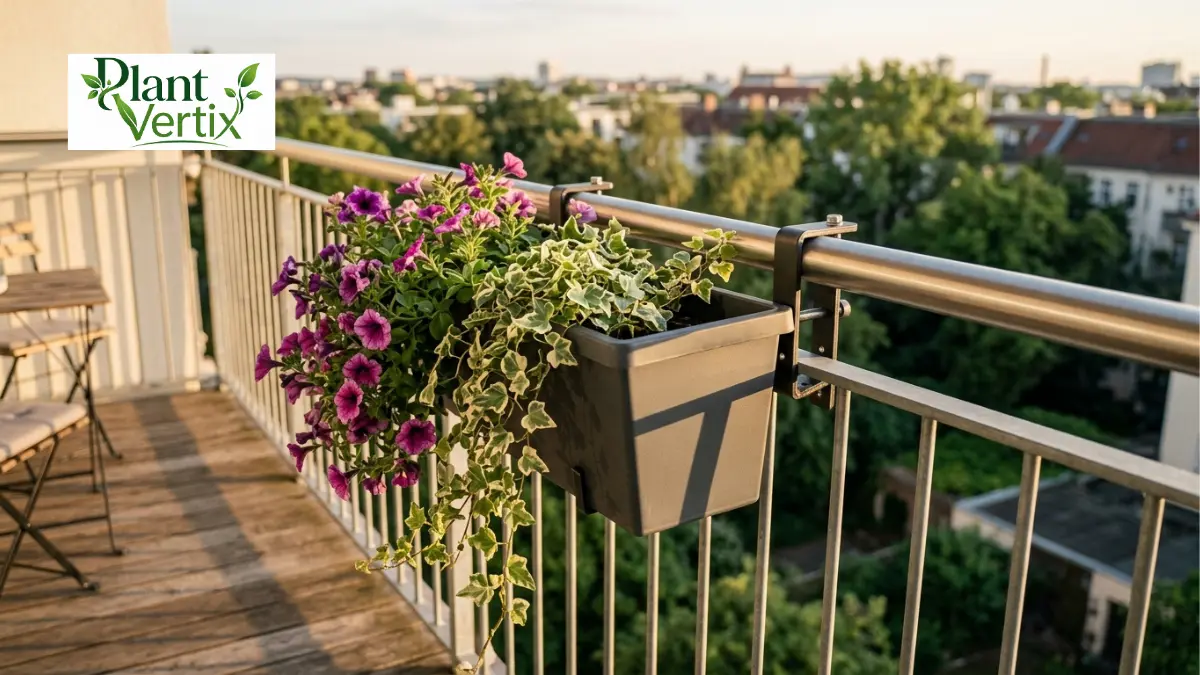
A railing planter is fixed to a railing, not resting on it. How the attachment works, what it carries, and when to ask first.
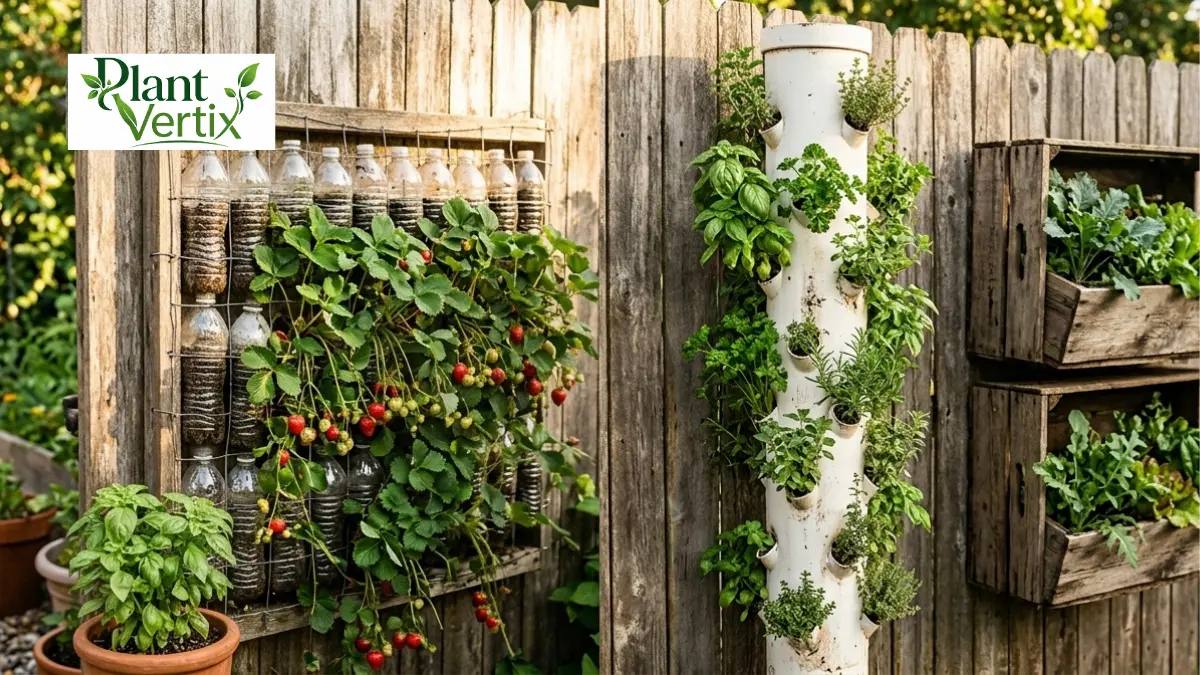
Bottles, pipes, crates, and shoe organizers all make real vertical gardens. Here is how to build each one, and which materials to skip for edibles.
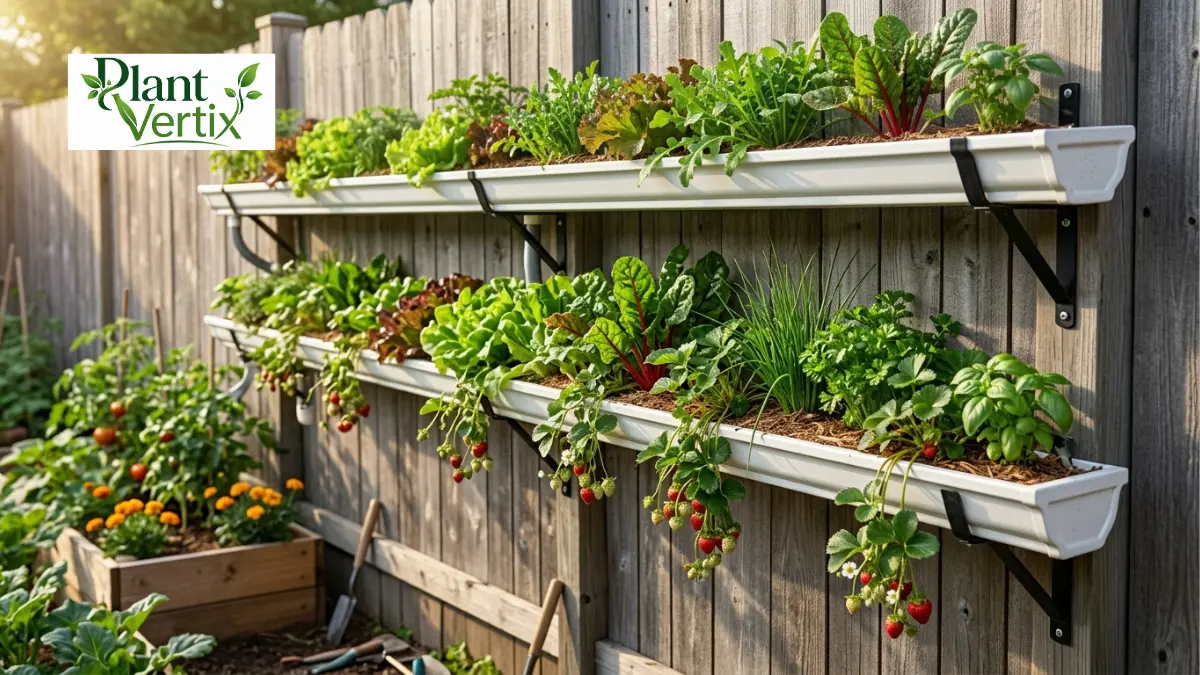
A rain gutter garden is a real vertical system, not a novelty. Here is how to build one, mount it so it does not sag, and what to grow in it.
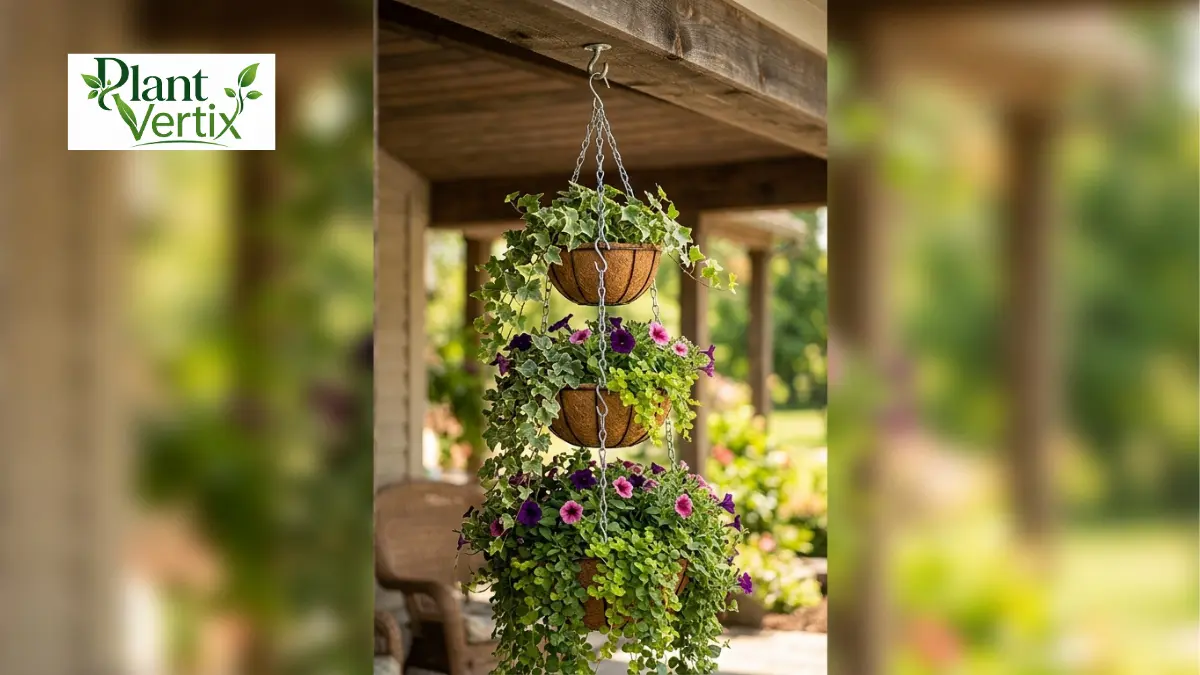
A tiered hanging planter loads its entire weight onto a single fixing point. Here is how to check that point before you hang anything from it.
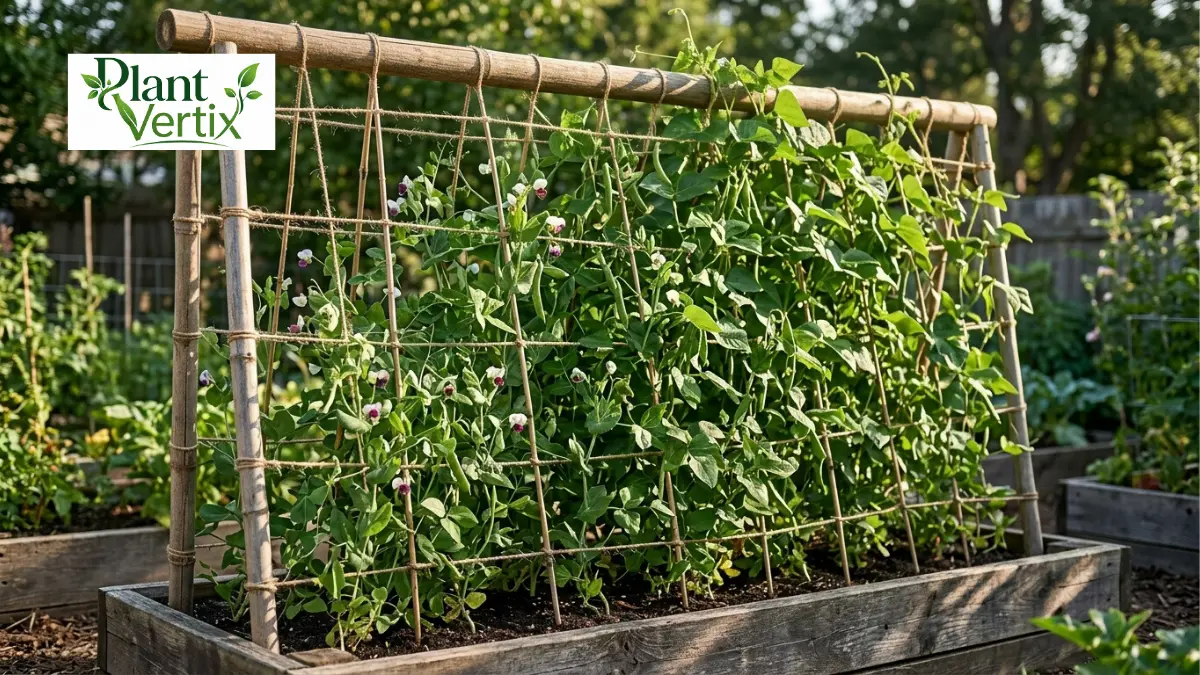
Plants climb in four different ways, and each one needs a different frame. Choose by climbing mechanism, not by looks, and skip the pockets entirely.
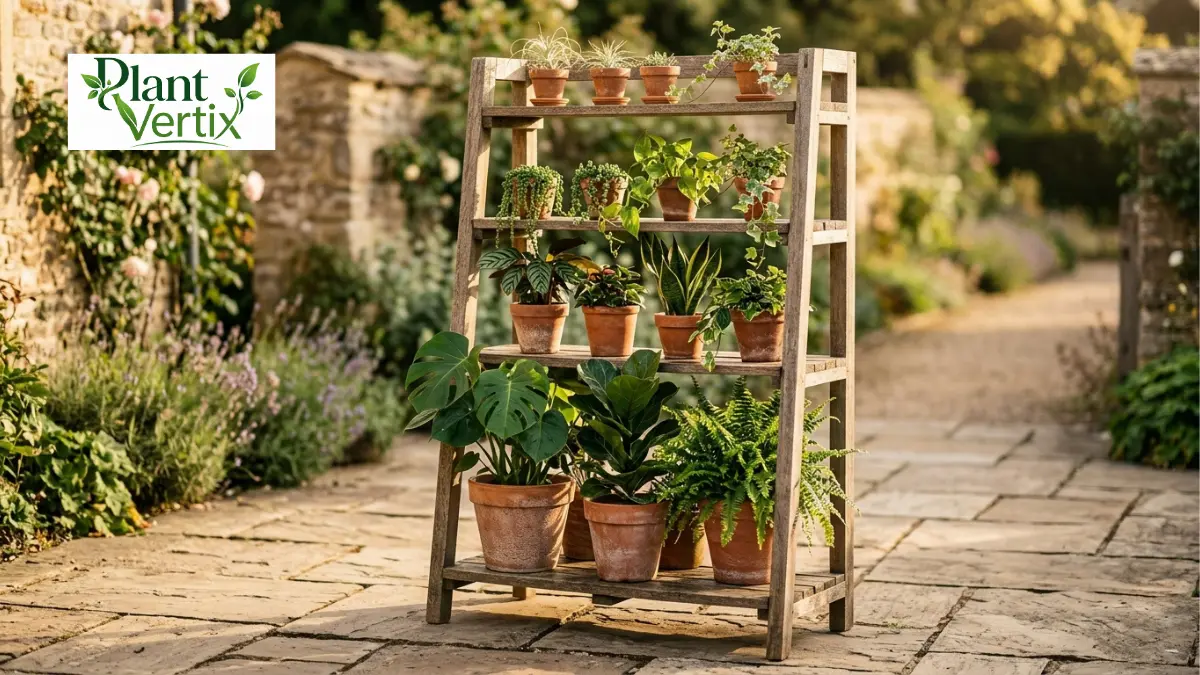
A tiered shelf moves the weight to the floor, which removes one risk and adds two: tipping over, and point loads through four small feet.
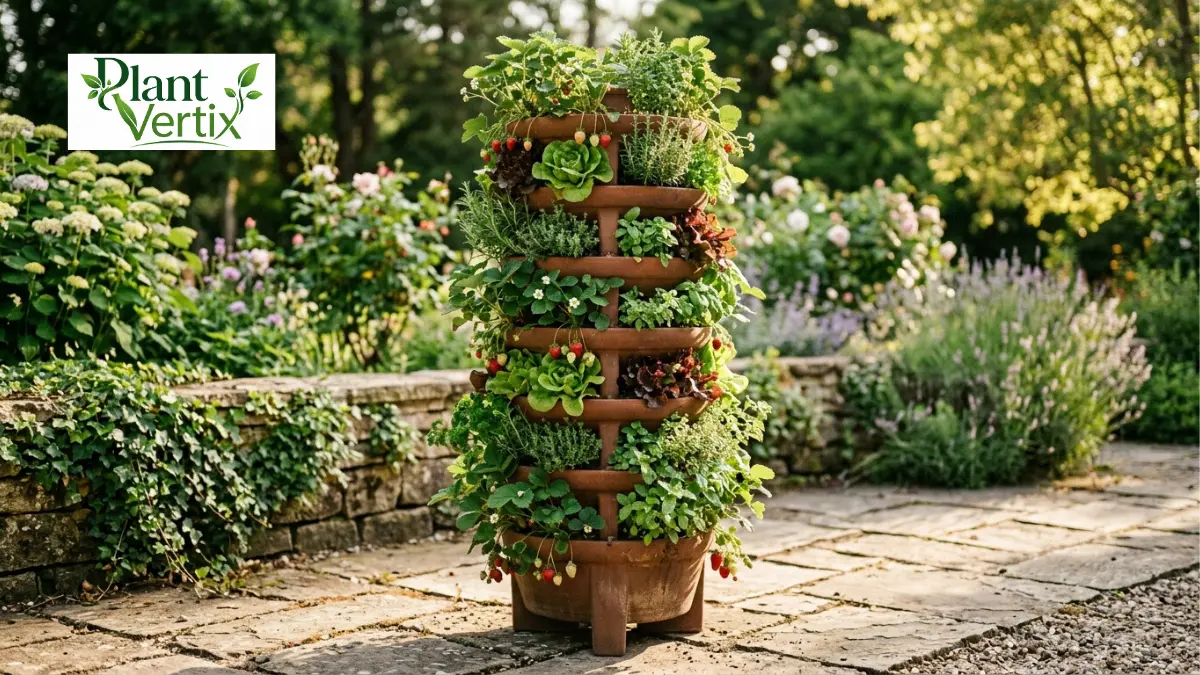
A tower touches no wall, which trades pull-out risk for tipping risk. Here is how stacking planters really behave, and what to check before you buy one.
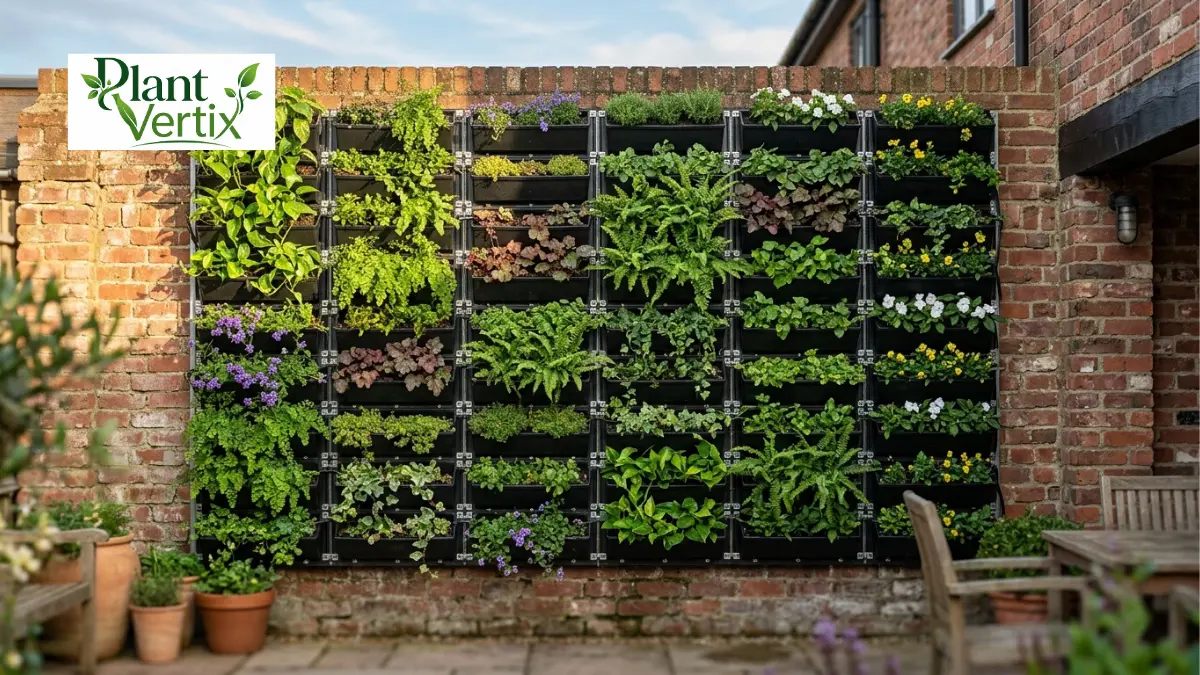
Rigid modular panels cost more than fabric and buy you two things: a spread load path and the ability to replace one failed unit. Here is how to judge them.
View More