
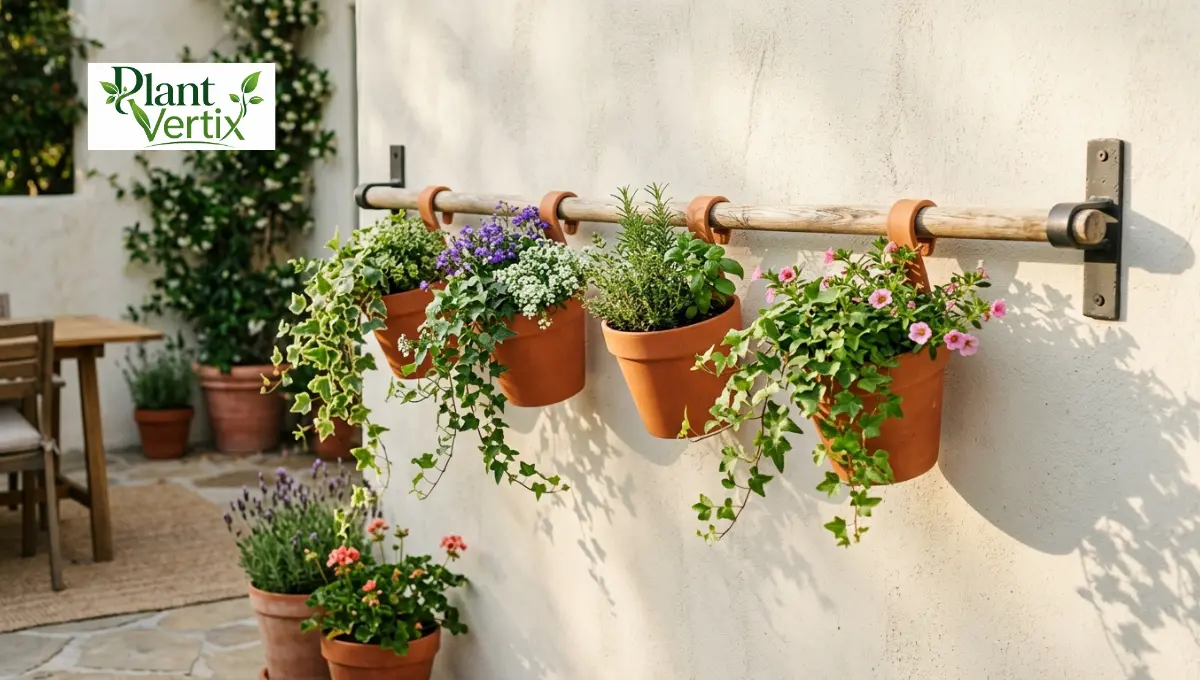
A planter rail puts every pot’s weight onto just a few fixings, not a whole wall. How rails work, when to skip one, and how to mount safely.
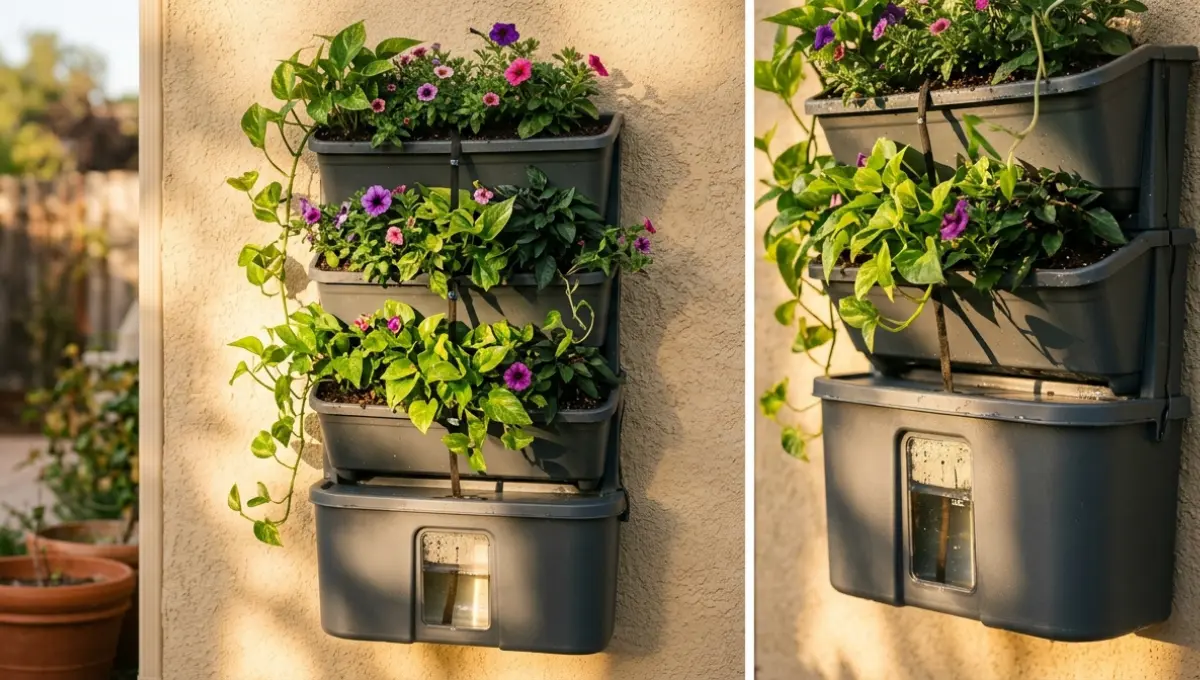
A self-watering vertical planter uses a reservoir and wicking or drip-through tiers, not magic. How it works, its failure modes, and the weight it holds.
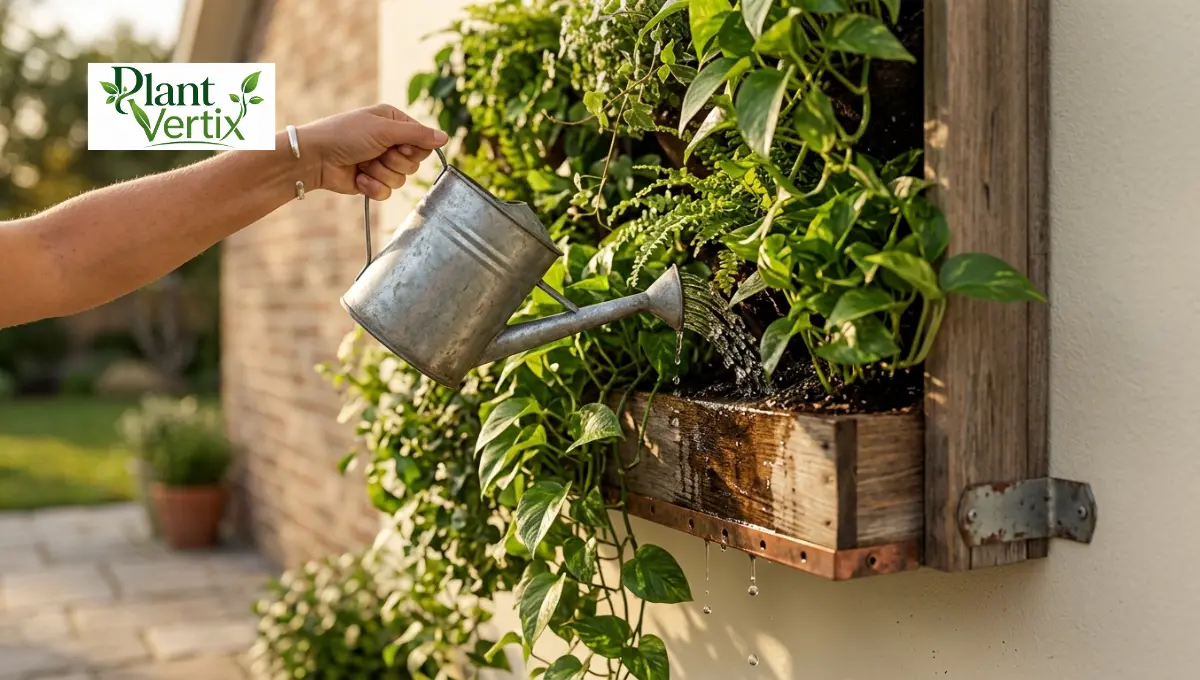
Wet potting mix weighs noticeably more than dry. Why the bag’s weight is wrong, named reference figures, and how to get your real number.
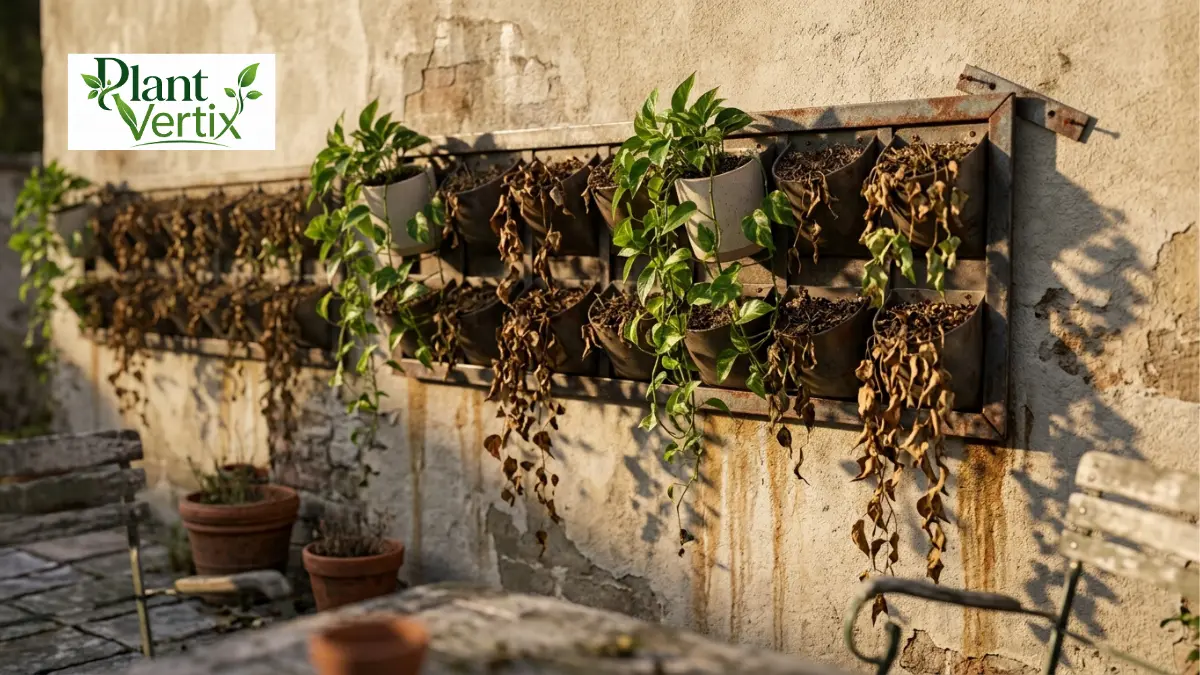
Five honest reasons to skip a vertical garden, from lease restrictions to a wall that must stay dry, plus what to build instead.
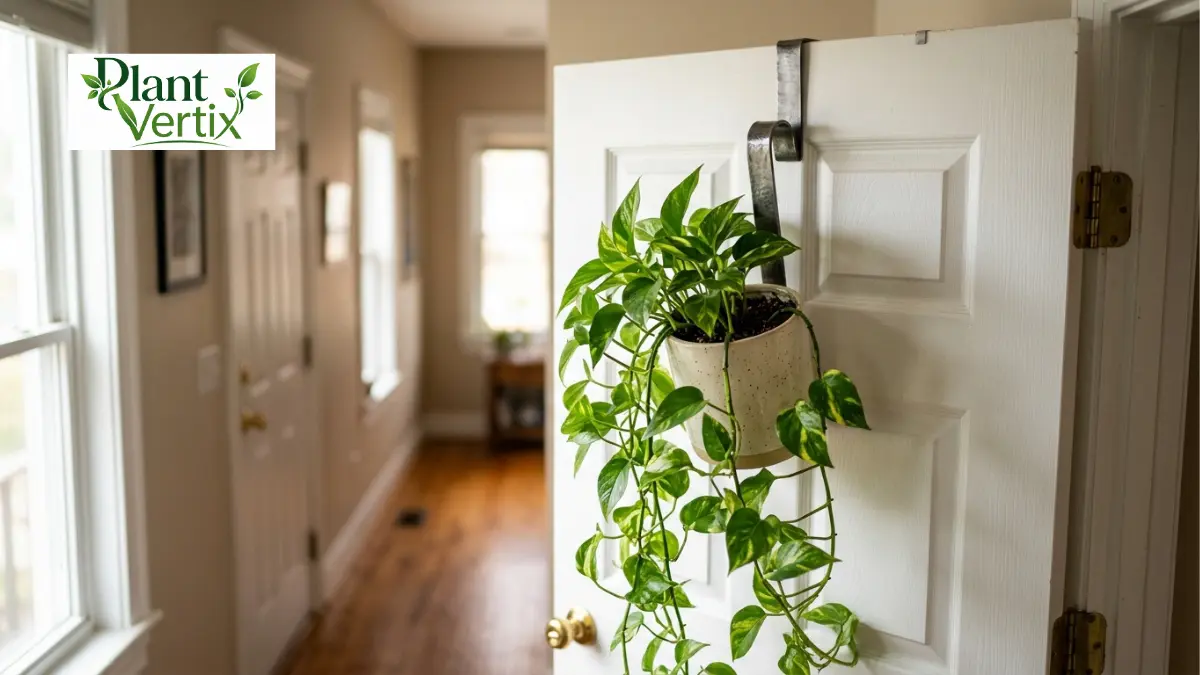
An over-the-door plant hanger and a tension rod both mount with zero holes. Here is how each one actually holds weight, and where each fits.
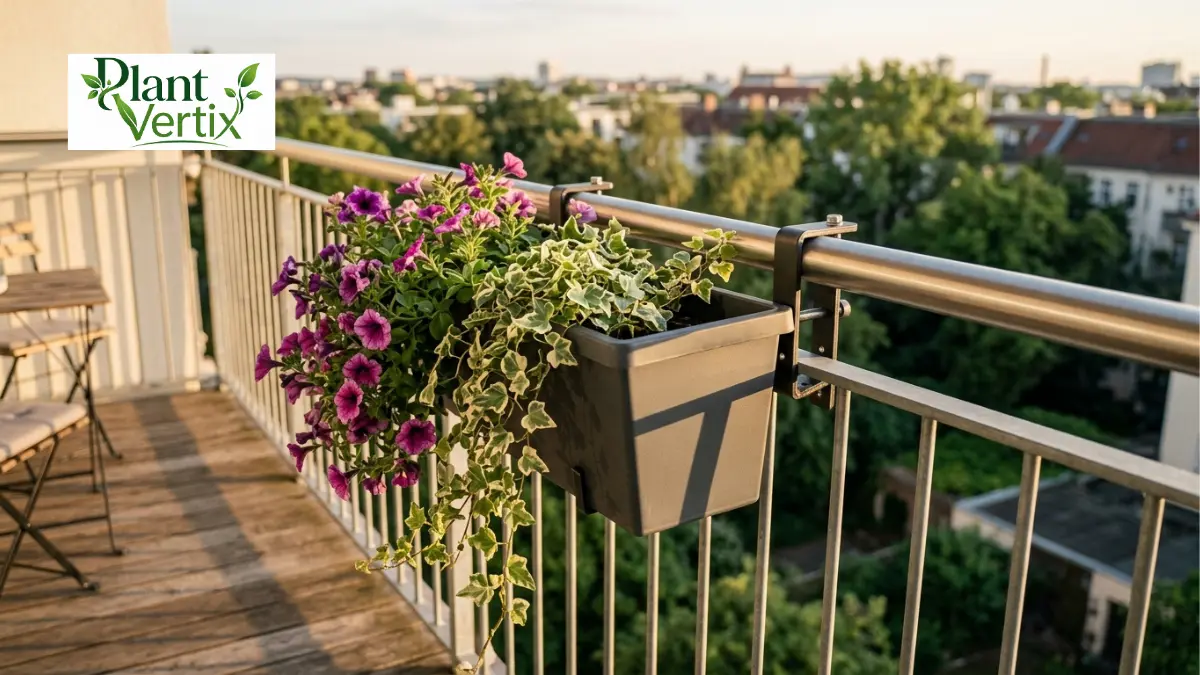
A railing planter is fixed to a railing, not resting on it. How the attachment works, what it carries, and when to ask first.
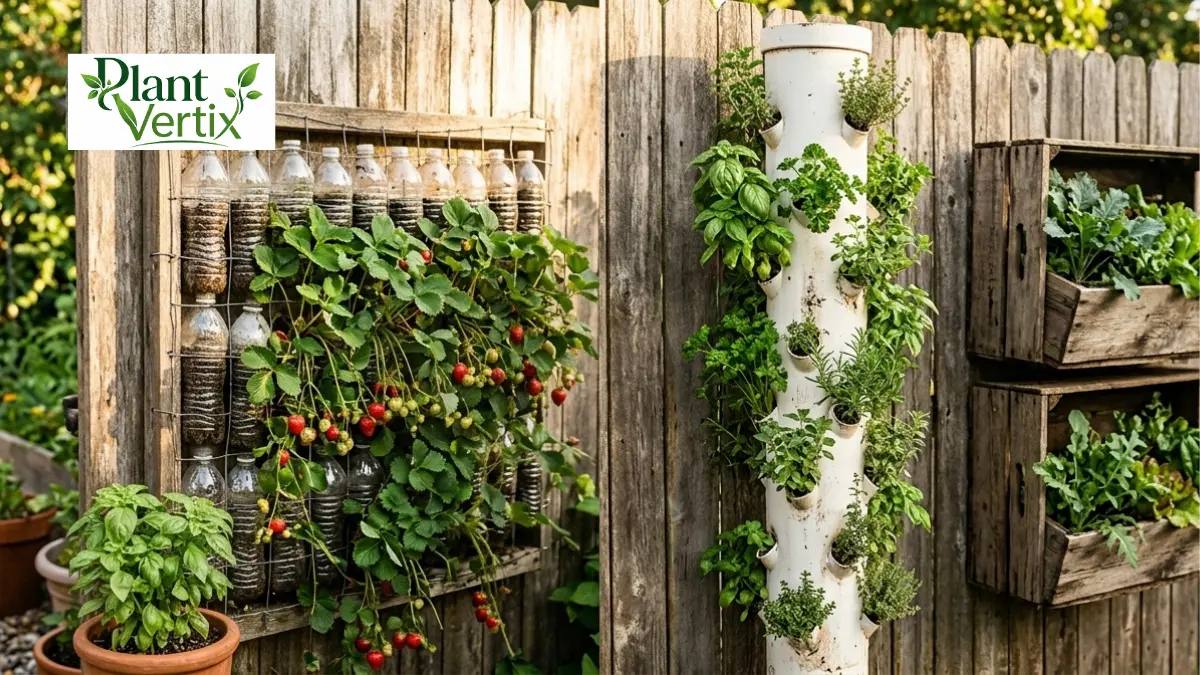
Bottles, pipes, crates, and shoe organizers all make real vertical gardens. Here is how to build each one, and which materials to skip for edibles.
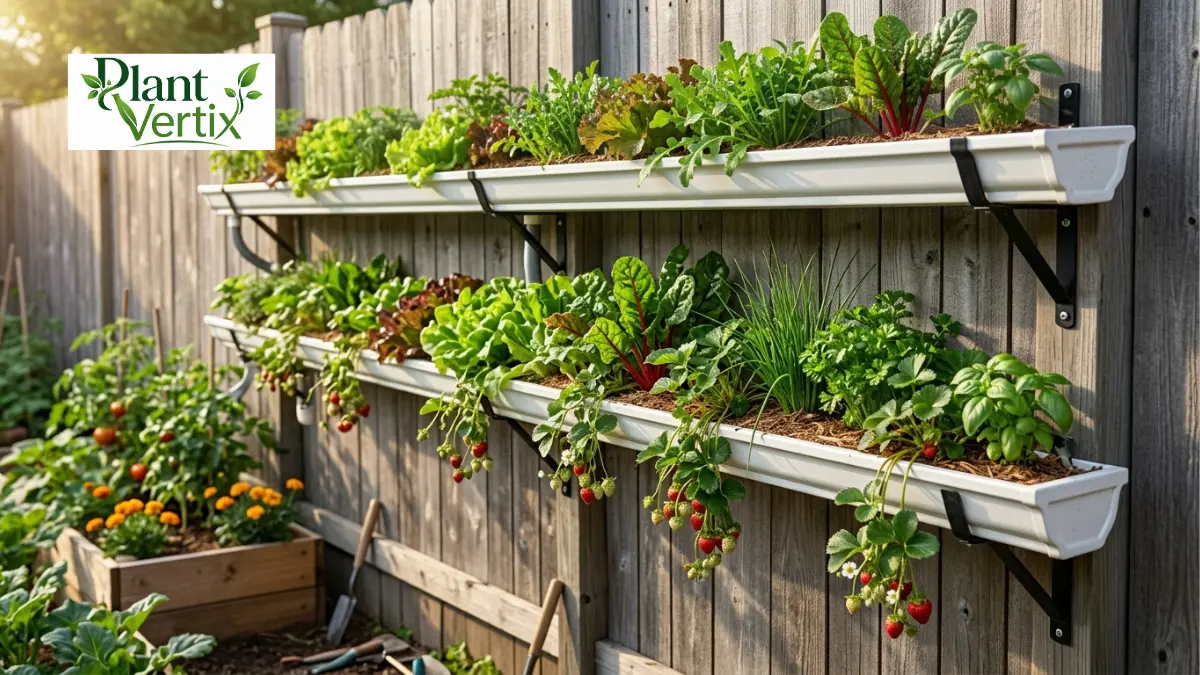
A rain gutter garden is a real vertical system, not a novelty. Here is how to build one, mount it so it does not sag, and what to grow in it.
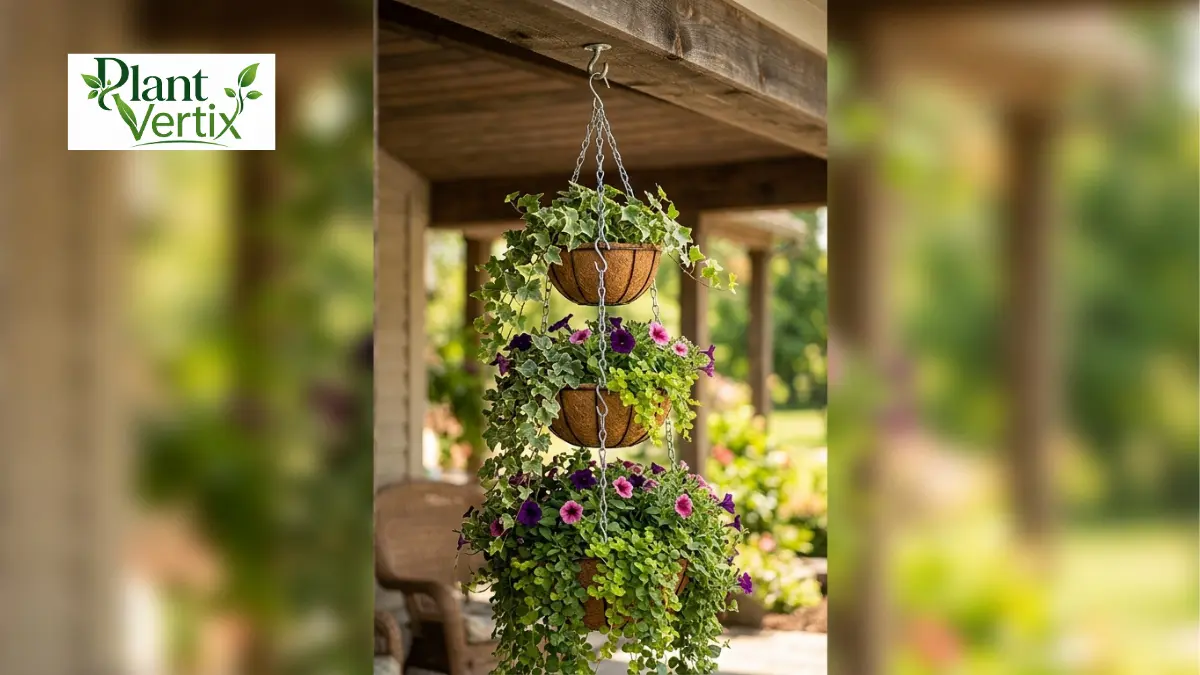
A tiered hanging planter loads its entire weight onto a single fixing point. Here is how to check that point before you hang anything from it.
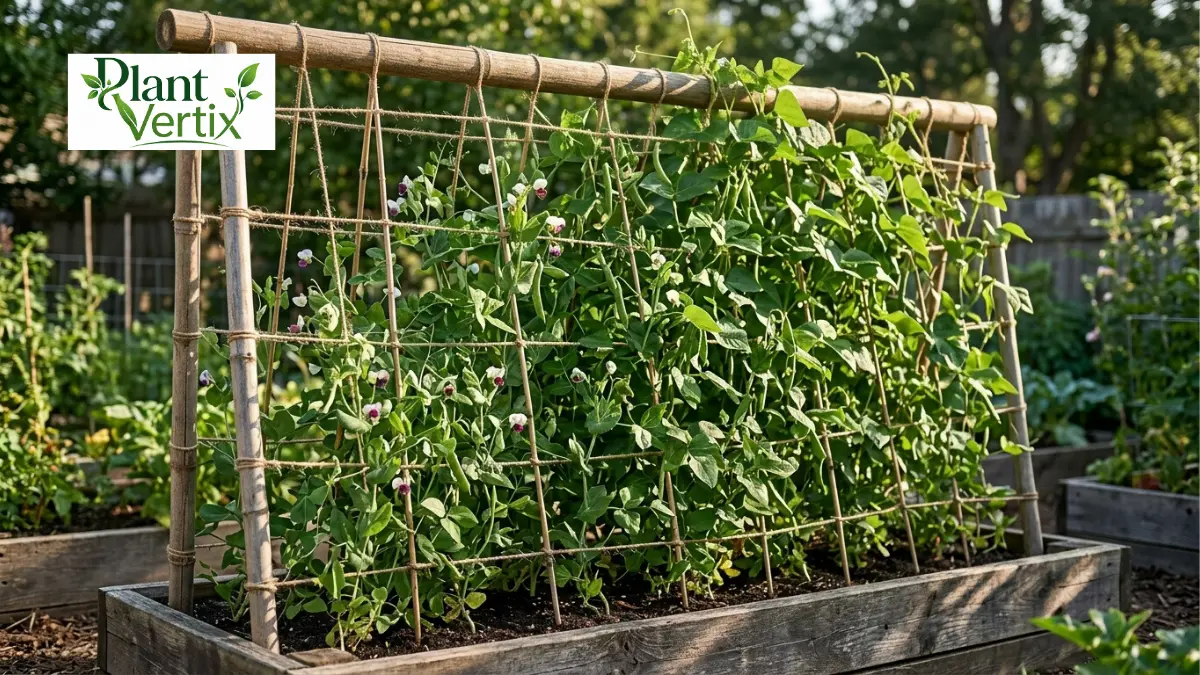
Plants climb in four different ways, and each one needs a different frame. Choose by climbing mechanism, not by looks, and skip the pockets entirely.
View More